
Last updated November 15, 2026
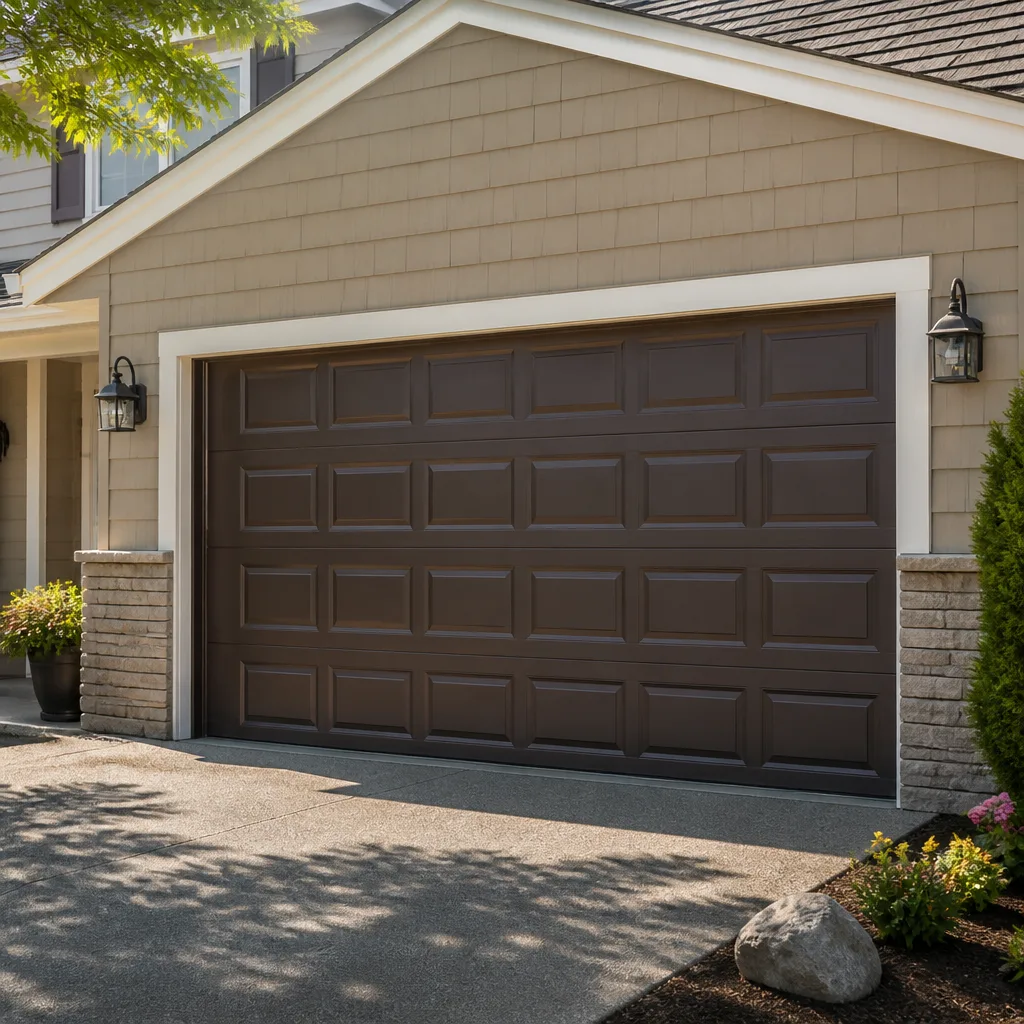 Raised-panel steel
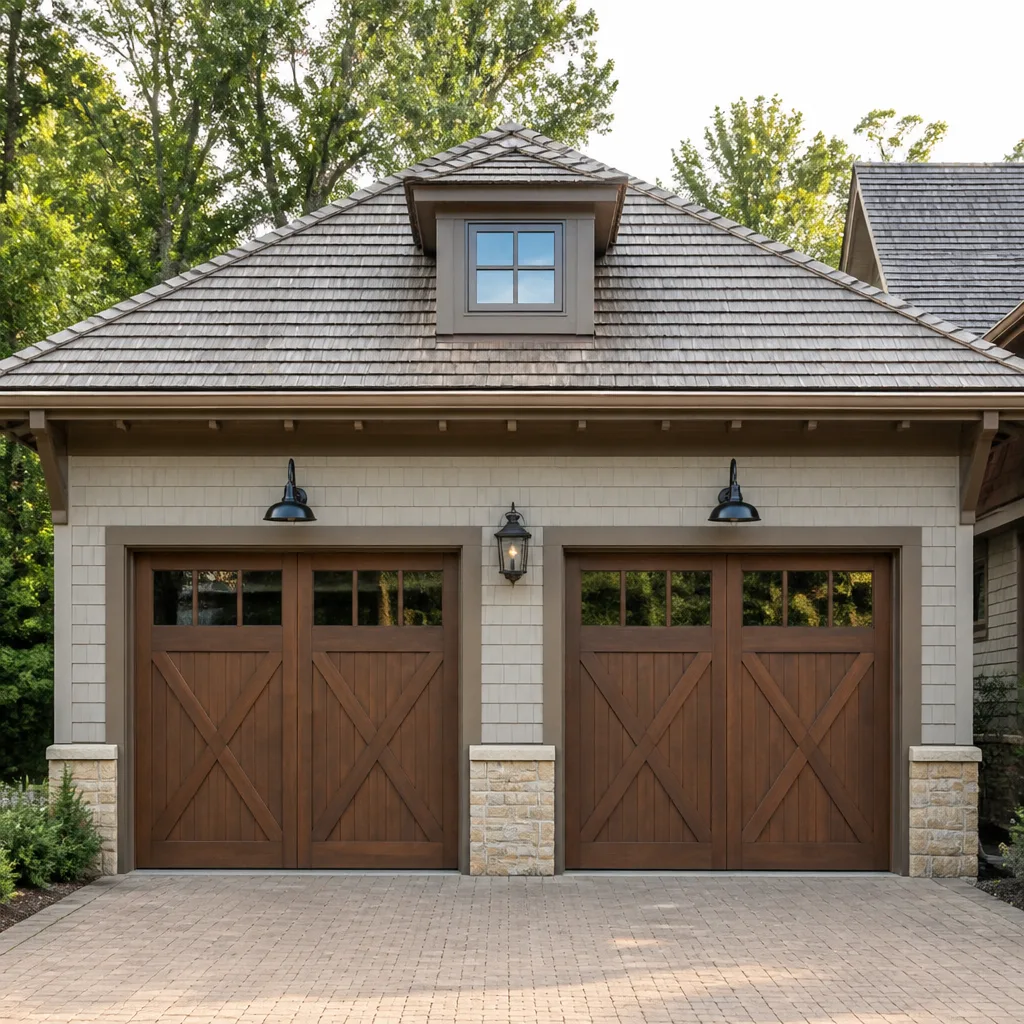 Carriage house
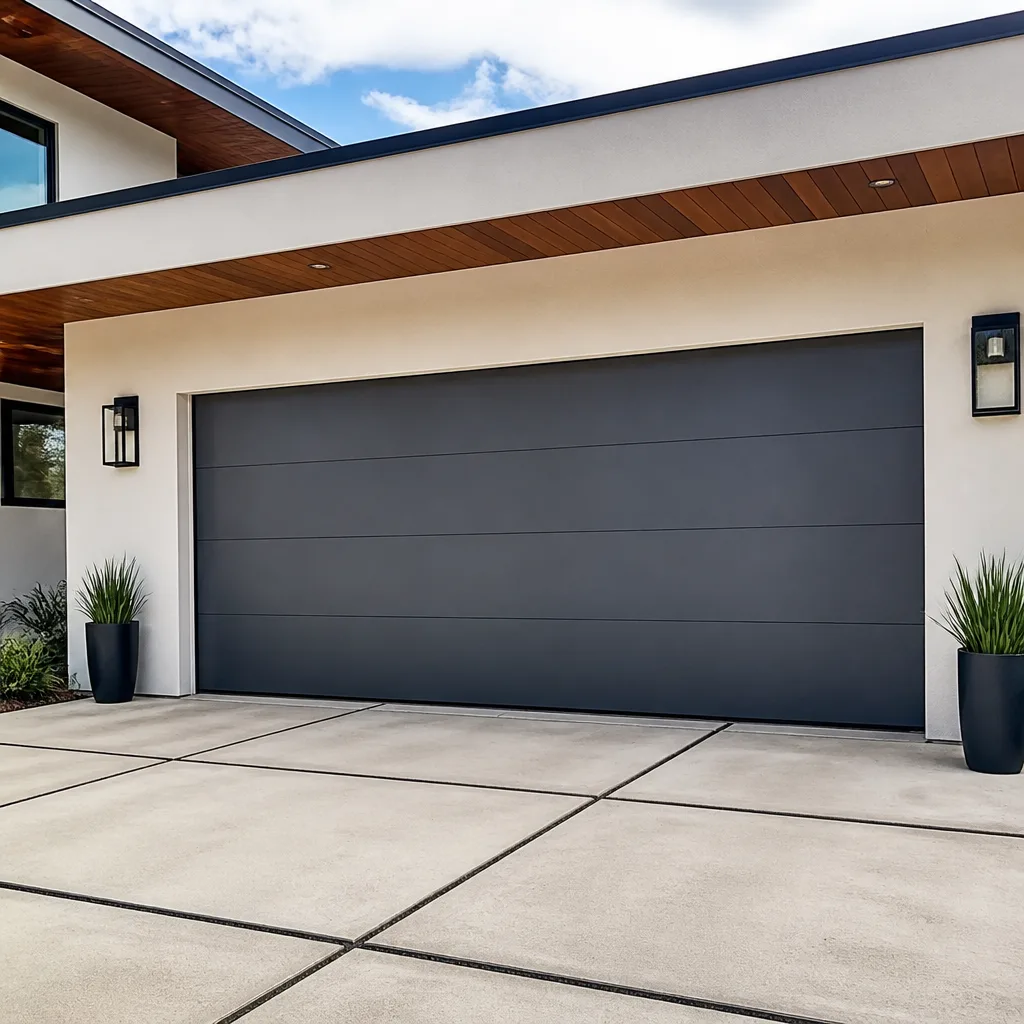 Modern flush
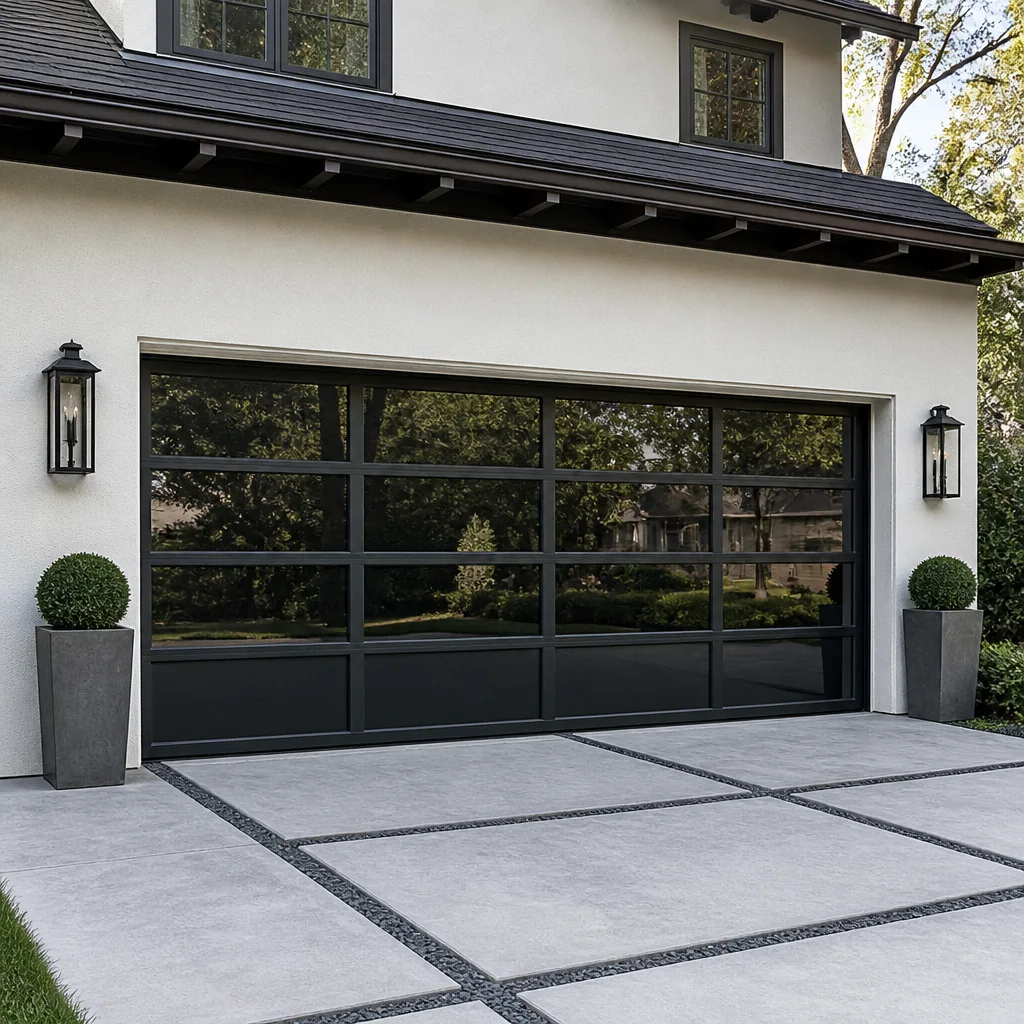 Full-view glass
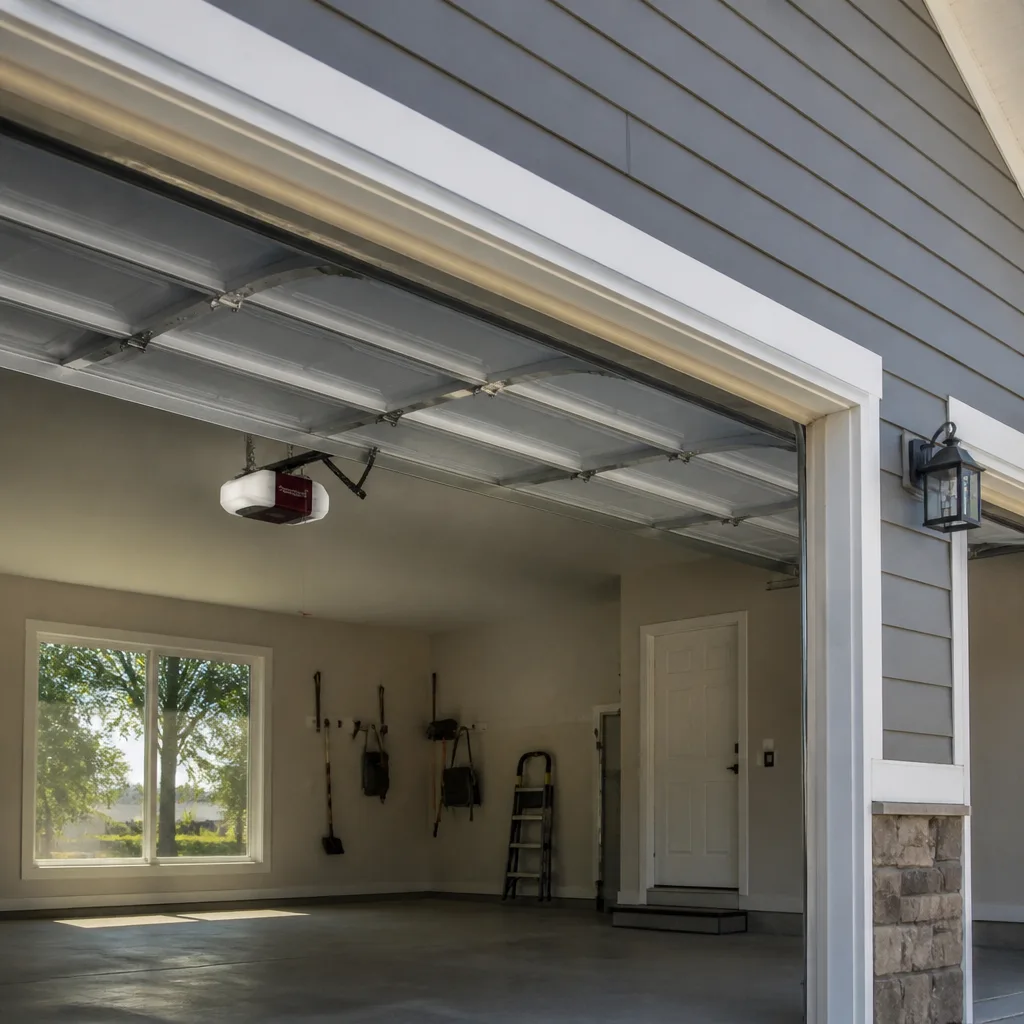 LiftMaster openers
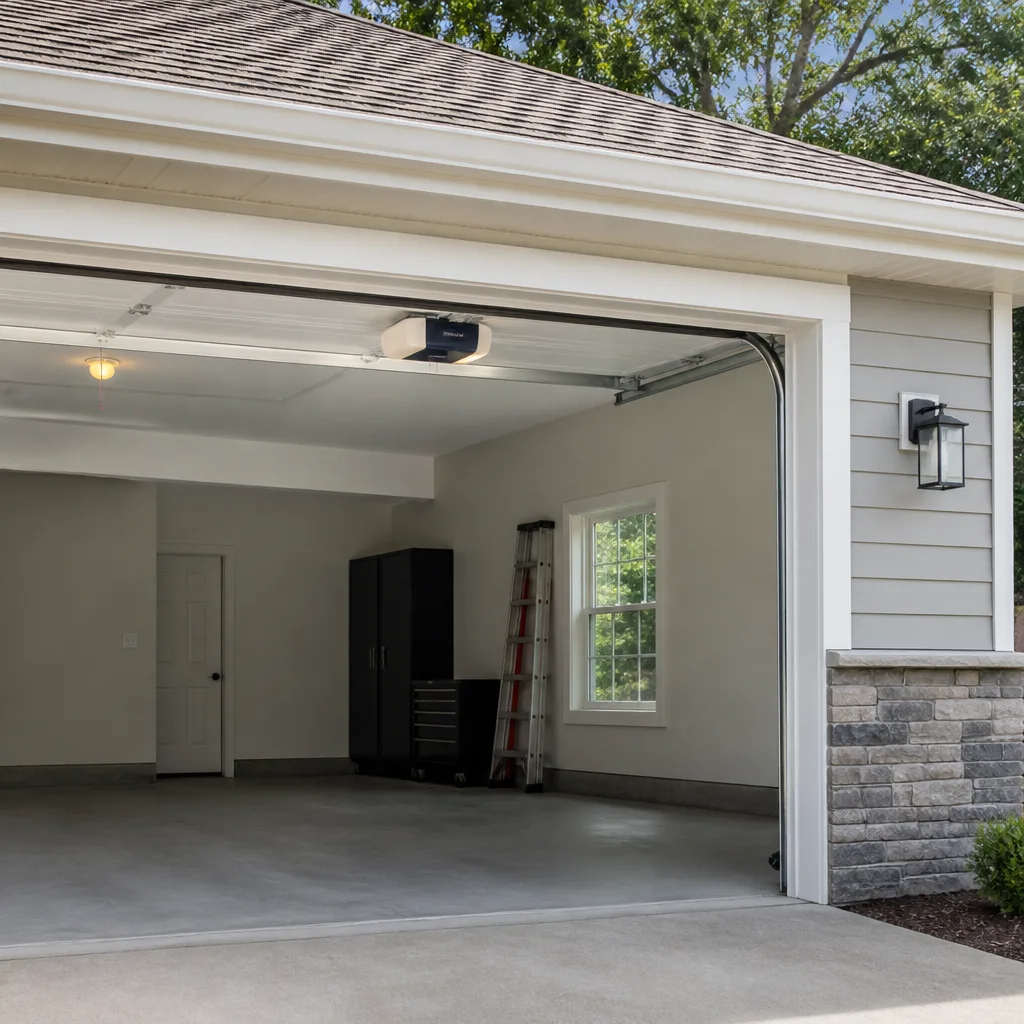 Chamberlain openers
Full 25-point door and opener safety check with every visit - springs, cables, rollers, tracks, and your LiftMaster or Chamberlain opener included
You get a price before we start. It does not change when the pro arrives.
Get your free estimateThe Complete Guide to Garage Doors in Palm Bay
Most garage door advice you’ll read online was written for a country that doesn’t exist here. It assumes four seasons, cheap labor, and a housing stock that’s been sitting still for fifty years. Palm Bay is none of those things. The city has added more than 8,000 new housing units in the last five years, and most of them came with builder-grade doors that were never spec’d for Brevard County’s wind load requirements or the humidity that settles over this part of Florida for most of the year. That gap between what’s installed and what the climate demands is where most garage door problems in Palm Bay start.
This guide treats those local variables as the main event, not a footnote. You’ll learn how wind load rules shape which doors are even legal to install, why newer steel doors age faster here than national guides predict, how the difference between a lagoon-side home and an inland West Melbourne-adjacent neighborhood changes what you should buy, and what “complete” actually means when you’re replacing a system rather than patching one.
Quick Answer
A garage door in Palm Bay needs to meet Brevard County wind load requirements (130+ mph exposure categories for most of the city), resist year-round humidity that accelerates rust on builder-grade steel, and match the construction era of your home – 1980s concrete block homes and 2010s-2020s frame homes need different spring sizing and track configurations. The right door is a system: panels, springs, tracks, opener, and weather seal working together, not five separate parts replaced one at a time.
Styles & brands we work with
- Raised-panel steel
- Carriage house
- Modern flush
- Full-view glass
- LiftMaster openers
- Chamberlain openers
Table of Contents
- Why Wind Load Requirements Shape Every Door Choice in Palm Bay
- The Builder-Grade Problem in Palm Bay’s Newer Subdivisions
- Lagoon-Side vs. Inland: Two Different Door Decisions
- How Palm Bay’s Housing Eras Affect Springs and Tracks
- What “Complete” Actually Means
- Door Types That Work in Palm Bay
- Openers: The Part Most Guides Skip
- A Maintenance Schedule Built for This Climate
- Common Mistakes to Avoid
- When to Call a Professional
- Frequently Asked Questions
- The Bottom Line
Why Wind Load Requirements Shape Every Door Choice in Palm Bay
In Palm Bay, a garage door is a structural component, not a decorative panel. Brevard County sits in a wind zone that requires garage doors rated for 130+ mph exposure categories across most of the city, and the Florida Building Code enforces it. That means the door you buy isn’t just a style decision – it has to carry a wind load rating, and the bracing, track anchors, and reinforcement all have to match that rating.
What this actually changes for a homeowner:
- Replacement doors must match or exceed the original rating. A door that was legal when the house was built may not be legal to replace with a cheaper equivalent today.
- Track and anchor hardware is part of the rating. A rated door on under-anchored tracks doesn’t meet the intent of the code.
- Permits usually apply. Most cities require a permit for garage door replacement, so it’s worth a call to Palm Bay’s building department to confirm what your specific address needs before ordering anything.
- Older homes are the tricky ones. A 1980s home may have been built to a different standard, and bringing it up to current wind load requirements often means new tracks and anchors, not just new panels.
This is the single biggest reason national garage door guides fall short here. They talk about insulation values and curb appeal. In Palm Bay, the first question is whether the door is rated for the wind it will actually face. If you’re replacing a door and the existing panels aren’t rated, that’s not a repair – that’s a code compliance question, and it’s worth talking through before you spend money.
For garage door repair, the practical rule is simple: if we’re replacing panels, we check the rating. If we’re replacing the whole door, we confirm the requirements for your address first. We’d rather have that conversation before the door is ordered than after.
The Builder-Grade Problem in Palm Bay’s Newer Subdivisions
Palm Bay has grown fast. More than 8,000 new housing units in the last five years, and the vast majority of them came with the same kind of garage door: a standard 25-gauge or thinner steel door, painted, with minimal insulation and often no reinforcement beyond what the builder needed to pass inspection. These doors are legal. They’re also being asked to survive conditions the national manufacturer specs weren’t written for.
What we see in newer Palm Bay subdivisions – the ones that went up in the 2010s and 2020s – usually shows up as:
- Surface rust along the bottom panel starting within the first few years, particularly where the door meets the weather seal and where water pools after rain.
- Panel fatigue and hinge wear showing up earlier than the manufacturer’s expected lifespan, because the door cycles more often in a household where every car is parked inside.
- Bowing panels that don’t fail outright but lose their seal, letting humidity and insects in.
- Stripped hinge screws where the thin steel couldn’t hold them through repeated cycles.
None of this means builder-grade doors are junk. It means they need specific maintenance in this climate – and they need it sooner than the packaging suggests. A steel door in Palm Bay that gets painted every few years along the bottom panel, has its hinges lubricated, and has its weather seal replaced when it starts to stiffen will last considerably longer than one that doesn’t.
If you’re in one of the newer Palm Bay subdivisions and your door is showing rust at the bottom within five to seven years, that’s not bad luck. It’s the expected outcome of a thin-gauge door in a humid climate without maintenance. The fix is usually straightforward: clean and treat the rust, repaint the affected panel, replace the bottom seal, and check the hinges. In some cases, replacing the bottom panel alone is cheaper than a full door, and it buys years.
Lagoon-Side vs. Inland: Two Different Door Decisions
“Palm Bay” covers more ground than the city limits suggest, and the door decision looks different depending on where in the city you are.
Homes near the Indian River Lagoon face persistent humidity that never fully dries out. The air holds moisture most of the year, and garage doors on these properties tend to show rust faster, weather seals stiffen sooner, and wooden or composite panels absorb moisture if they aren’t sealed properly. For these homes, the priority is a door with a strong finish, a well-sealed bottom, and hardware that resists corrosion. Steel doors with a baked-on finish and stainless or coated hinges make a real difference. Aluminum doors are worth considering where the budget allows, because they simply don’t rust the way steel does.
Homes inland, toward the West Melbourne-adjacent neighborhoods and the western edge of Palm Bay get more sun exposure and slightly drier air, but they also see more direct afternoon heat. Doors on these homes face more thermal cycling – expanding in the sun and contracting at night – which shows up as panel fatigue and seal wear rather than rust. Insulated doors help here, not primarily for energy savings in the garage, but because a double-wall insulated door holds its shape better through daily heat cycling than a single-sheet door does.
The practical takeaway:
- Lagoon-side: prioritize corrosion resistance, finish quality, and a tight bottom seal.
- Inland western Palm Bay: prioritize insulation and panel rigidity for thermal cycling.
- Either way: the opener and springs need to be sized for the door you actually install, not the one you replaced.
This is where a brand-agnostic approach matters. A single-brand dealer will sell you what they stock. What you actually need depends on which side of Palm Bay you live on and what your home’s construction will support.
How Palm Bay’s Housing Eras Affect Springs and Tracks
Palm Bay has two dominant housing eras, and they behave differently enough that the spring and track conversation changes completely depending on which one you’re in.
1980s concrete block homes
These homes tend to have heavier original doors – often wood or a heavier steel – and they were built with track systems and framing that reflect the construction standards of the time. On these homes, we frequently find:
- Original springs that are well past their service life and have been replaced at least once, often with mismatched springs on opposite sides of the door.
- Tracks that have shifted slightly over decades of settling, causing the door to bind or rub.
- Header framing that’s solid – concrete block is forgiving – which gives more flexibility if you’re upgrading to a heavier or insulated door.
The concrete block construction actually works in your favor for a door upgrade. The wall can usually carry a heavier door without additional reinforcement, though the track anchors still need to be inspected and often replaced. The springs, however, have to be sized correctly for the new door’s weight, and that’s a calculation, not a guess.
2010s-2020s frame construction
Newer Palm Bay homes use wood frame construction with stucco or siding, and the garage door header is a wood beam sized for the original door. Upgrade to a significantly heavier door and the header may need reinforcement. The tracks on these homes are usually in good shape because they’re newer, but the spring sizing is often at the minimum the builder needed – which means the springs work harder and wear sooner.
What this means in practice:
- Know your door’s weight before ordering springs. Spring sizing is based on door weight, track radius, and drum size – not on what the old spring looked like.
- Check the header before upgrading panel weight. On frame homes, a heavier door may require a reinforced header; a contractor should verify this before installation.
- Replace springs as a matched pair. For a typical torsion setup, a single spring range applies to one spring; a matched pair is usually replaced together and costs about twice that. Mismatched springs are the most common cause of premature failure we see in Palm Bay.
- Inspect the tracks after any settling or storm. Frame construction moves more than block over time, and tracks can go out of alignment.
For a closer look at Palm Bay and what the local housing stock means for your door, the housing era of your home is the single best predictor of what a replacement will involve.
What “Complete” Actually Means
Most homeowners think of a garage door as five separate things – panels, springs, opener, tracks, and seal – and replace them one at a time as each fails. That approach is why the same door gets worked on every year. A garage door is one integrated system, and treating it that way is cheaper over the life of the door and safer in the short term.
Here’s what “complete” means in practice, in the order it matters:
- Spring system. Torsion or extension springs sized to the door’s weight, replaced as a matched pair, with the correct cycle rating for how often your household uses the door.
- Tracks and hardware. Tracks aligned, anchored securely, hinges and rollers in good condition, and – on any door that’s part of the wind load requirement – anchor hardware rated for the code.
- Opener. Matched to the door’s weight and cycle frequency, with a safety reverse that works, proper force settings, and – where the owner wants it – smart-home integration through a LiftMaster or Chamberlain unit or a Genie with comparable connectivity.
- Weather seal. Bottom seal, side seals, and top seal intact, because in Palm Bay the seal is what keeps humidity and insects out of the garage, and it’s the first thing to fail.
- Code compliance. Wind load rating, permit requirements, and safety features all in order for the address and construction type.
When we look at a door, we’re not looking for the one thing that’s broken. We’re checking how the system fails together. A door with a failing bottom seal will rust its bottom panel. A door with undersized springs will strain the opener motor. A door with a mismatched spring pair will wear the tracks. Repairing one symptom without the cause is the most expensive way to own a garage door.
This is the reasoning behind our single-point-of-contact model at Unity Garage Door Repair. One company, one diagnosis, one explanation, and one quote for the whole system rather than three separate contractors each fixing a piece.
Door Types That Work in Palm Bay
Not every door style makes sense here. The ones that do tend to share three traits: a wind load rating that meets Brevard County requirements, a finish that survives humidity, and a construction that holds its shape through heat cycling.
Insulated steel doors are the most common choice for Palm Bay, and for good reason. Two layers of steel with insulation between them resist panel fatigue better than a single sheet, hold the wind load rating, and – with a quality baked-on finish – handle humidity well. Clopay and Amarr both produce steel doors in configurations that meet local requirements, and the brand matters less than the spec sheet.
Aluminum doors are worth considering on lagoon-side properties where rust is the recurring problem. Aluminum doesn’t rust, and modern aluminum doors can meet wind load requirements when properly reinforced. The trade-off is cost and a slightly different aesthetic, but for a home near the water, the corrosion resistance is real.
Wood and composite doors suit the 1980s homes where a wood door was original, and they can look excellent when sealed and maintained. In Palm Bay’s humidity, they need more upkeep than steel – annual sealing is not optional – and they need a wind load rating that matches your address. Composite and engineered wood options are more dimensionally stable than solid wood here.
Carriage-style and decorative doors are popular in newer Palm Bay subdivisions, and they can work well with the right backing. The decorative overlay has to be rated for wind load along with the door itself, and the hinge and track hardware has to carry the extra weight.
Regardless of type, the door you choose should be picked for the door opening you have, not adapted to fit. If you want a hand with that decision, our garage door repair and installation work covers all four of the major door manufacturers we service most often.
Openers: The Part Most Guides Skip
Openers get treated as an accessory in most garage door guides, and that’s a mistake in Palm Bay. The opener is what tells the door how to move, and if it’s undersized or misconfigured for a heavier, insulated door, it will fail – often within a year of a door replacement.
What we commonly diagnose on Palm Bay openers:
- Force settings out of calibration after a door replacement, causing the opener to strain or reverse incorrectly.
- Safety reverse failures – the most common safety issue we find, and one that should be checked any time the door or opener is serviced.
- Remote and keypad pairing issues on Chamberlain and LiftMaster units, often resolved with a re-pair rather than a replacement.
- Smart-home connectivity problems where a Genie or LiftMaster unit won’t connect to the homeowner’s app, usually a firmware or network issue rather than a hardware failure.
- Chain and belt wear on older openers that have been carrying a door they were never sized for.
Opener repair is a distinct skill from door repair. The mechanics overlap, but the diagnostics don’t – a motor issue, a logic board issue, a remote issue, and a safety sensor issue can all present as “the door won’t open,” and diagnosing which one it is before quoting is the difference between a correct fix and a return visit. That’s why we treat garage door opener repair as its own specialty rather than a side task on a door call.
A Maintenance Schedule Built for This Climate
National maintenance calendars assume a climate Palm Bay doesn’t have. Here’s a schedule built for the actual conditions – humidity, heat cycling, and wind-driven rain.
- Every three months: Lubricate hinges, rollers, and springs with a garage-door-specific lubricant. In this humidity, unprotected metal starts to surface-rust faster than you’d expect.
- Every three months: Check the bottom weather seal for stiffness, cracking, or gaps. Replace it when it stiffens – don’t wait for it to fail, because once it lets water in, the bottom panel is already rusting.
- Twice a year: Test the safety reverse by placing a small object in the door’s path and confirming it reverses. This is the single most important safety check on any automatic door.
- Twice a year: Inspect the tracks for alignment, debris, and loose anchors. In frame-construction homes, check after any significant storm or settling event.
- Annually (or every two years on newer doors): Touch up paint on the bottom panel and any rust spots. On lagoon-side homes, check hinges and any exposed fasteners for corrosion.
- Annually: Have the springs and cables inspected by a trained technician. Springs and cables are under high tension and can cause serious injury if they fail or if someone attempts to adjust them without the right tools and training.
That last point is not a sales pitch. Torsion springs and the cables that run with them store enough energy to cause severe injury, and DIY spring work is one of the most common ways homeowners get hurt working on their own house. If the spring looks wrong – a visible gap, a stretched coil, a door that won’t lift evenly – that’s the point to stop and call.
For homes in the newer Palm Bay subdivisions, the schedule above is the difference between a door that lasts fifteen years and one that needs replacement in year seven. For 1980s homes, it’s the difference between a repair and a full replacement.
Common Mistakes to Avoid
- Replacing one spring instead of the pair. Spring pairs are designed to be replaced together. Replacing one leaves the door unbalanced, strains both springs, and is usually the reason a door comes back for a second repair within a year. A matched pair costs about twice a single spring, and it’s worth it.
- Ordering a door without checking the wind load rating for your address. In Palm Bay, that’s not a style preference – it’s a code requirement. A permit is usually required for replacement, so confirm the rating before the door is ordered, and call the city’s building department if you’re not sure.
- Ignoring the bottom seal on a lagoon-side home. The bottom seal is the first thing to fail in this humidity, and a failed seal is the direct cause of most bottom-panel rust. Replacing a $30 seal saves a panel.
- Upgrading the door and keeping the old opener. A heavier insulated door needs an opener sized for it. Reusing an undersized opener is the most common reason a new door feels slow or unreliable within the first year.
- Assuming a builder-grade door should last like the packaging suggests. In Palm Bay’s climate, a thin steel door without maintenance will show rust and panel fatigue well before the national average. Maintaining it early is the difference.
- Letting a single-brand dealer choose your door. A dealer sells what they stock. A door that fits your home may or may not be that one. Get a recommendation based on your door opening, construction era, and wind load requirement, not the inventory.
- Attempting spring or cable work without training. These components are under extreme tension. A trained technician has the tools and the procedure for releasing it safely; a homeowner with a wrench does not.
When to Call a Professional
Some garage door issues are maintenance. Some are emergencies waiting to happen. The list below covers the ones that aren’t worth handling yourself.
Call a professional if the door comes off its tracks, if a spring is visibly broken or the door won’t lift more than a few inches, if the cables look loose or frayed, if the opener reverses on its own or fails the safety reverse test, or if a panel has been damaged in a storm and the door no longer seals. Also call if you’re replacing the door and aren’t sure what wind load rating your address requires – that’s a question with a definite answer, and getting it wrong is expensive. Spring and cable failures are the most dangerous, and they should be handled by someone with the right tools and training.
Unity Garage Door Repair offers free estimates in Palm Bay – call (866) 901-6506. We answer 24/7. Fast dispatch from 7am to 7pm, Sunday through Friday.
Frequently Asked Questions
Most of Palm Bay falls into a Brevard County wind zone that requires garage doors rated for 130+ mph exposure categories, and the Florida Building Code enforces this. If you’re replacing a door, confirm the required rating for your specific address with Palm Bay’s building department before ordering. Call (866) 901-6506 for an exact quote – estimates are free.
Spring repair is priced per job by a written estimate, and a matched pair is usually replaced together, so the pair costs about twice a single spring. The written estimate is the price, quoted and agreed before any work starts. Call (866) 901-6506 for an exact quote – estimates are free.
Thin-gauge steel doors in Palm Bay’s newer subdivisions typically show rust and panel fatigue within five to seven years without maintenance, which is faster than national guides suggest. The fix is usually early intervention: clean and treat rust, repaint the bottom panel, replace the weather seal, and check the hinges. Call (866) 901-6506 to have your door assessed – estimates are free.
Yes. Lagoon-side homes face persistent humidity that makes corrosion resistance the priority, so a finish that holds up and a tight bottom seal matter most. Inland western Palm Bay homes see more heat cycling, so insulation and panel rigidity become the bigger concern. Call (866) 901-6506 to talk through the right door for your address – estimates are free.
In many cases, yes. For repair calls in Palm Bay, same-day service is often possible when you call early. We answer 24/7, and dispatch runs 7am to 7pm, Sunday through Friday. Call (866) 901-6506 to schedule.
No – the written estimate sets the price, and it’s quoted and agreed before any work starts. If we open up the door and find something the initial diagnosis missed, we explain it and re-quote before proceeding, not after. Call (866) 901-6506 for an exact quote – estimates are free.
The Bottom Line
Garage doors in Palm Bay live in a different set of conditions than the ones national guides describe. Wind load requirements from Brevard County decide which doors are legal to install. The city’s fast growth means most newer homes have builder-grade doors that age faster here than the packaging suggests. The lagoon side and the inland neighborhoods call for different doors for different reasons. And the housing era of your home – concrete block from the 1980s or frame from the 2010s and 2020s – changes the spring sizing, track configuration, and header requirements you’re working with.
The single most useful habit is treating the door as a system rather than a list of parts. Springs, tracks, opener, seal, and wind load compliance all fail together when they fail at all, and fixing the symptom without the cause is the most expensive path. If you’re not sure where your door stands, a free estimate is the fastest way to find out.
Contact
If you’re ready to stop guessing about your garage door, call Unity Garage Door Repair at (866) 901-6506 for a free estimate. We work on equipment from LiftMaster, Chamberlain, Genie, Clopay, Amarr, Wayne Dalton, Craftsman, and Raynor – so we diagnose before we quote and get the right fix for your door the first time. We answer 24/7. Fast dispatch from 7am to 7pm, Sunday through Friday. One call, fully resolved.
Written by the team at Unity Garage Door Repair.
See the difference
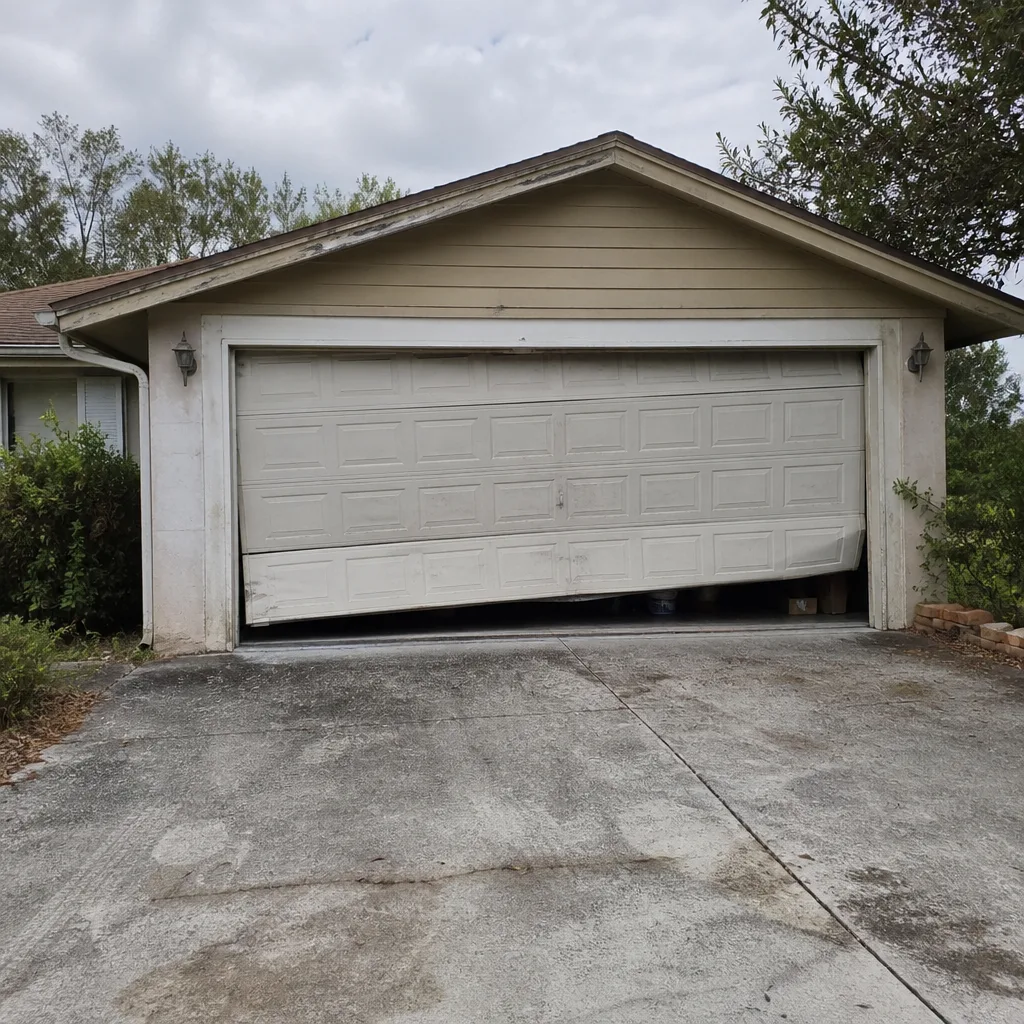 Before
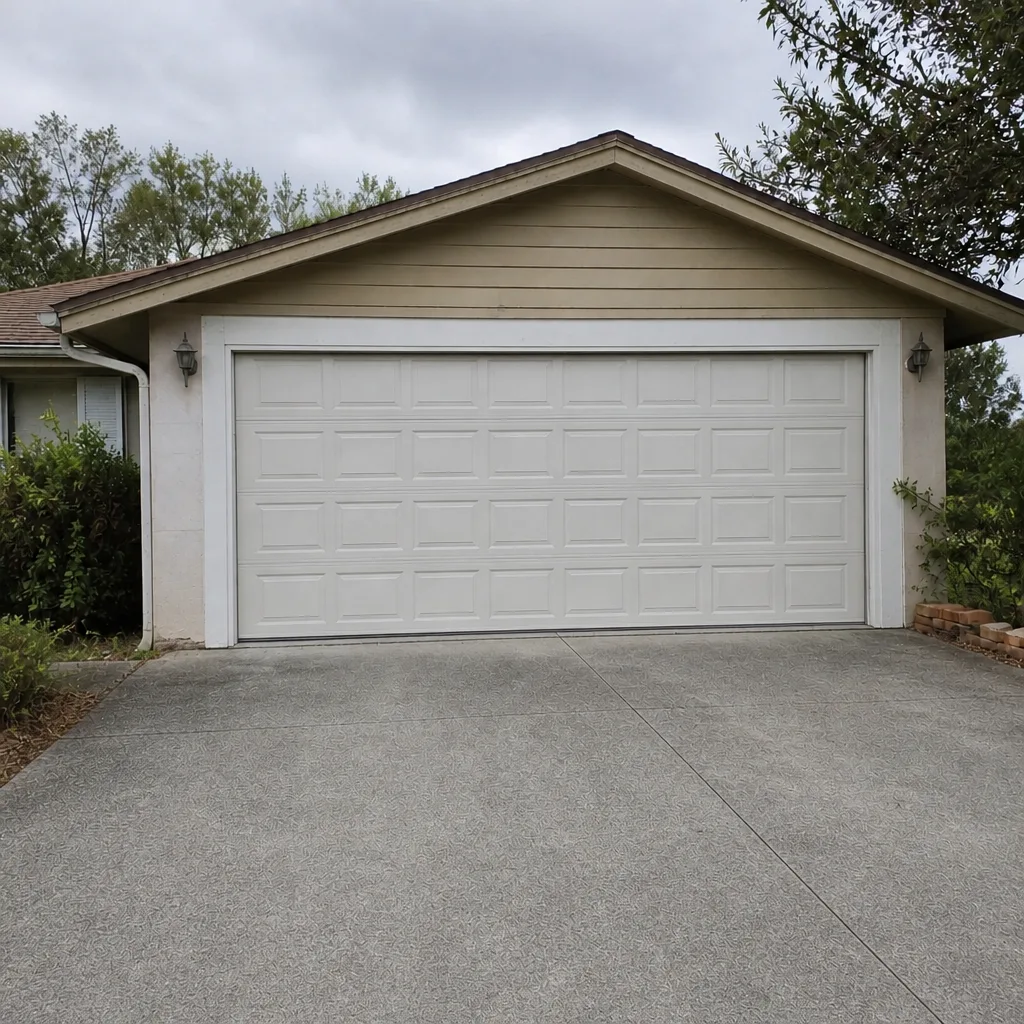 After
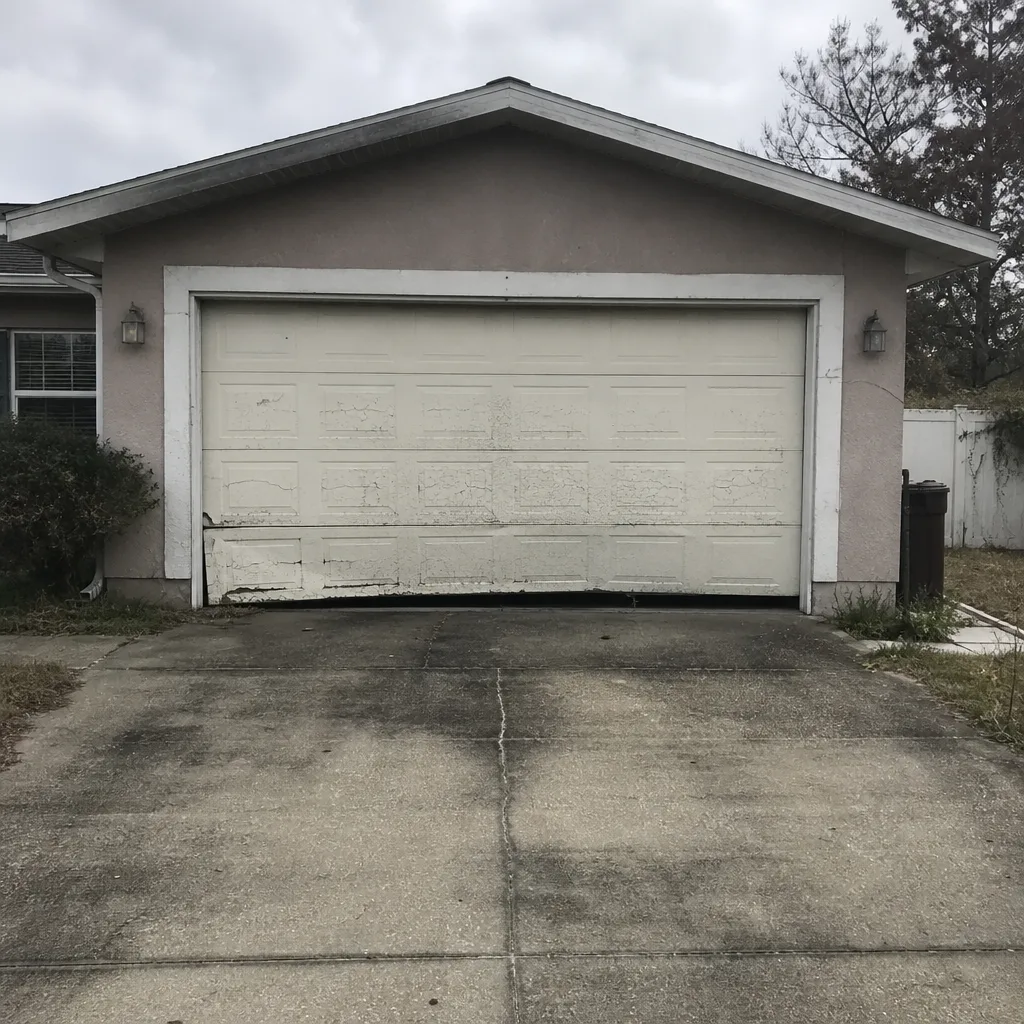 Before
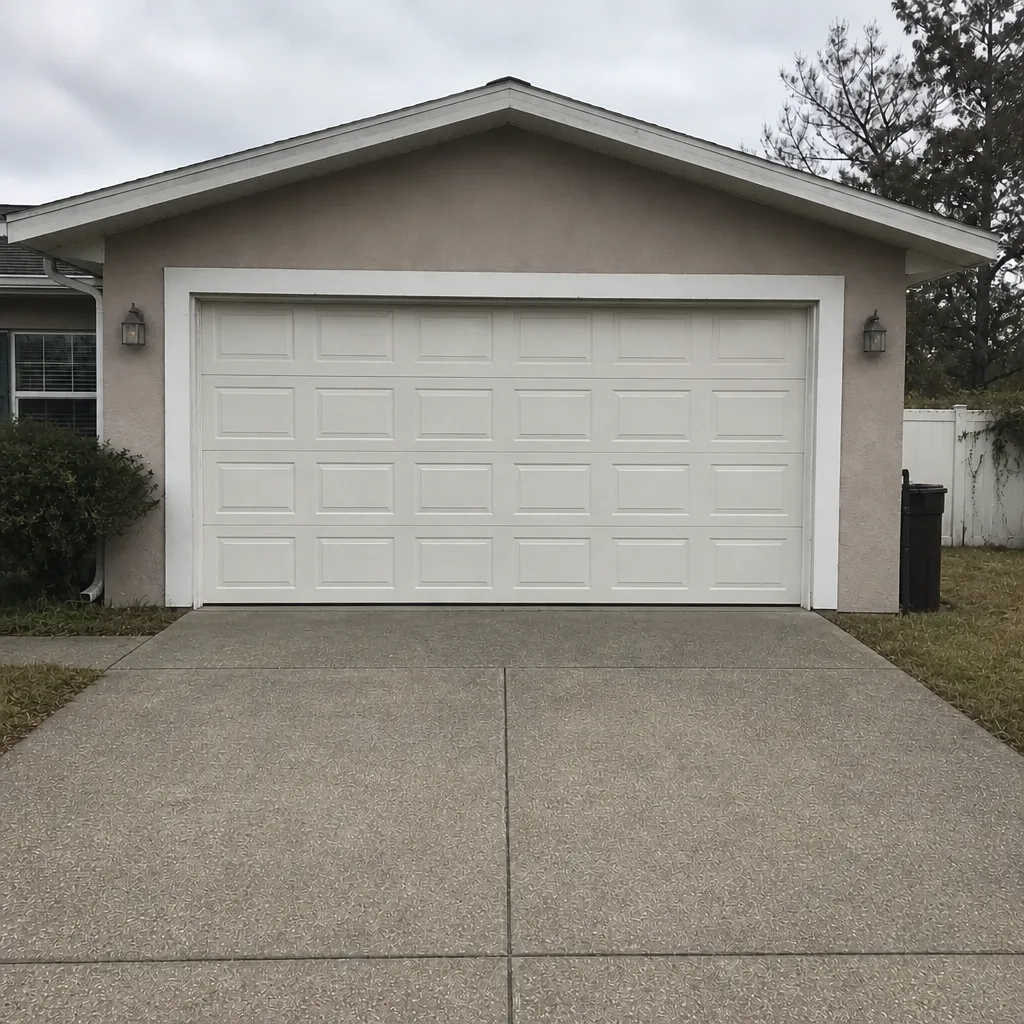 After
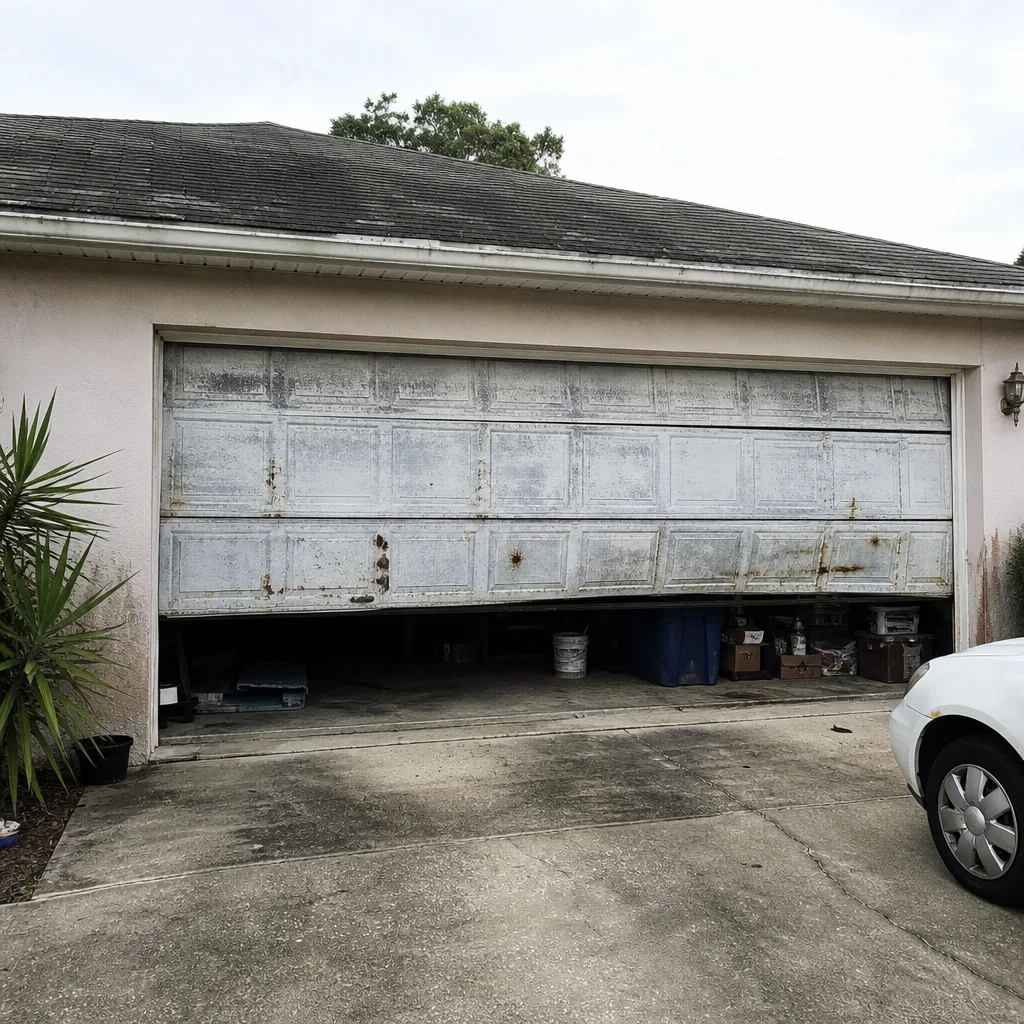 Before
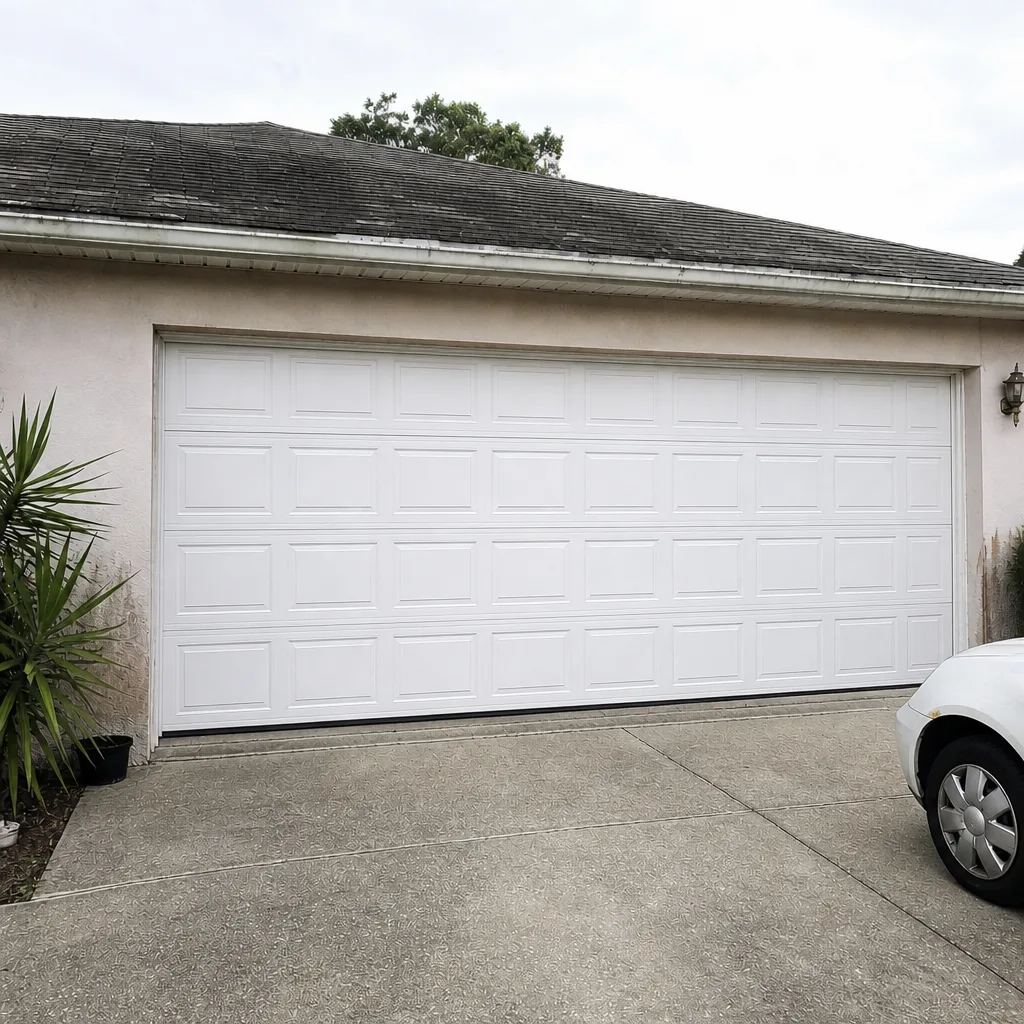 After