
Last updated November 15, 2026
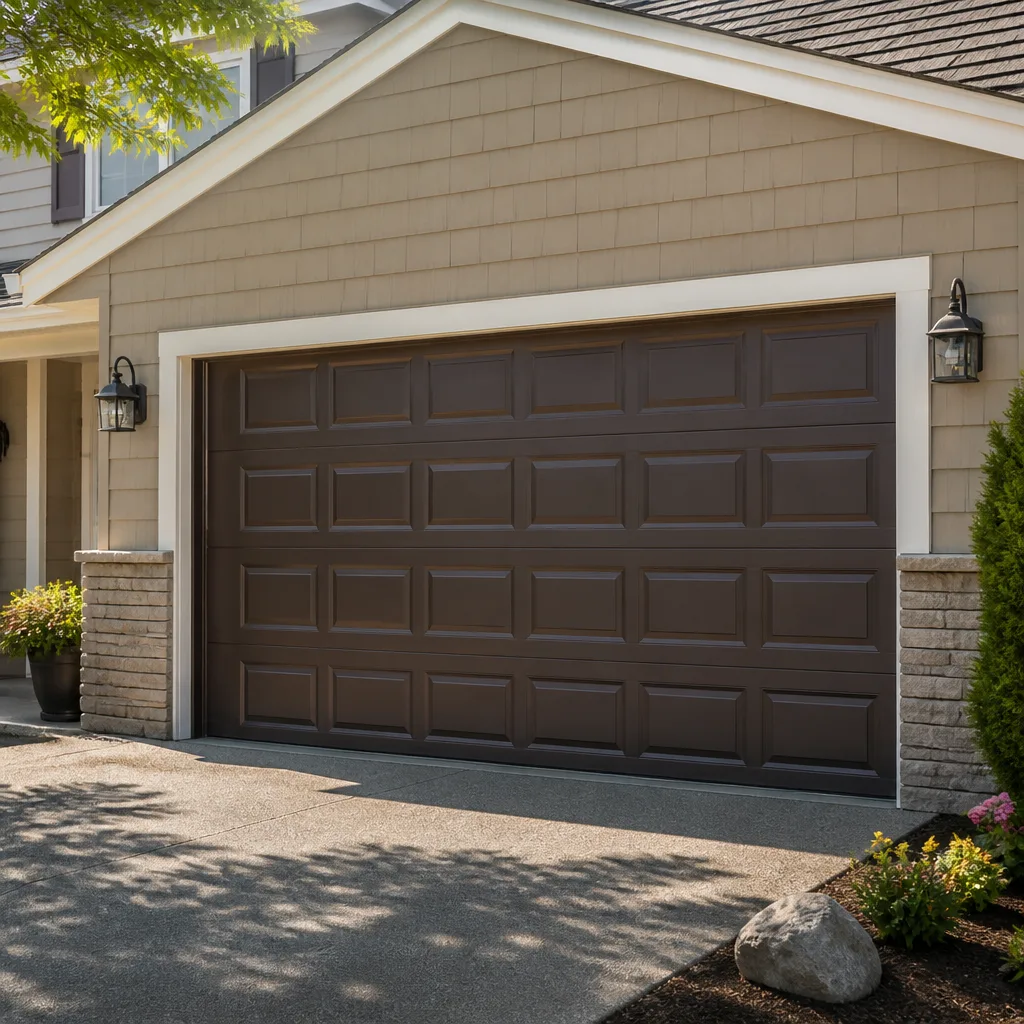 Raised-panel steel
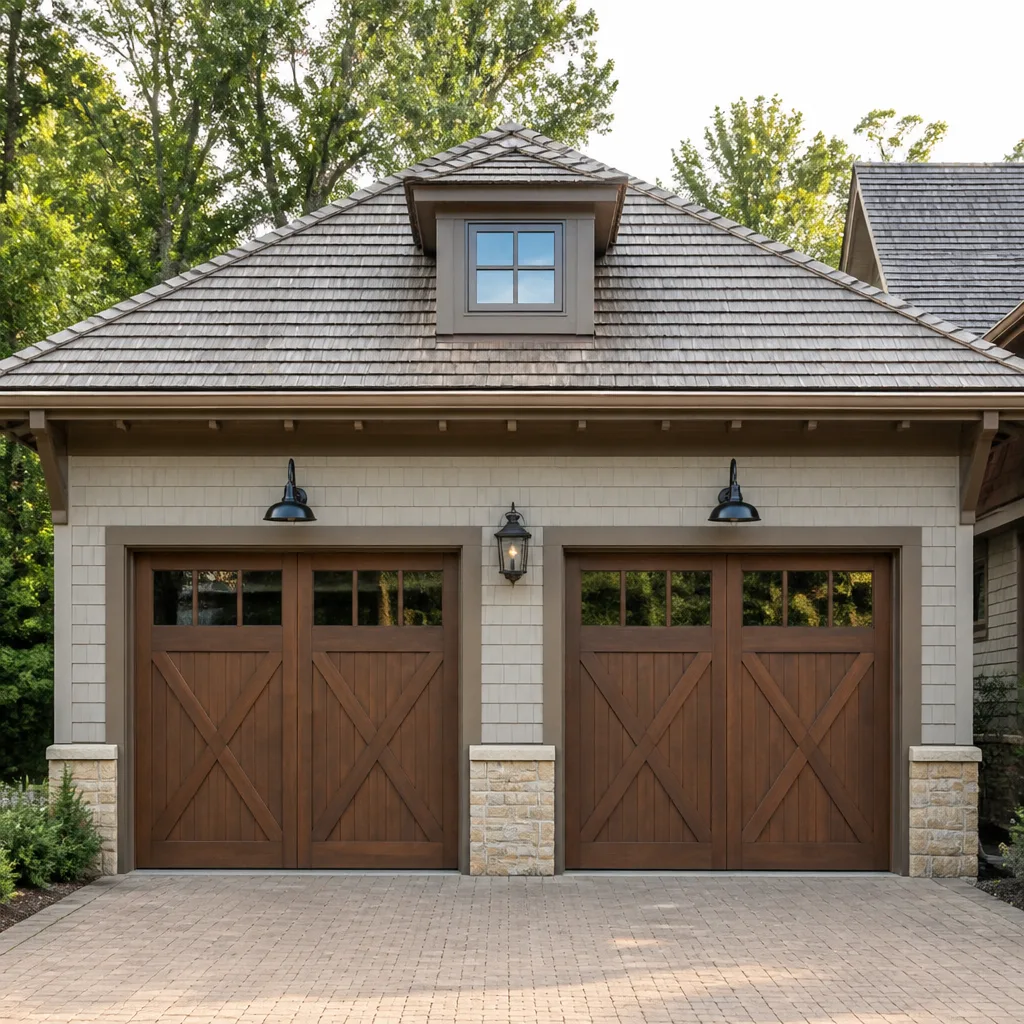 Carriage house
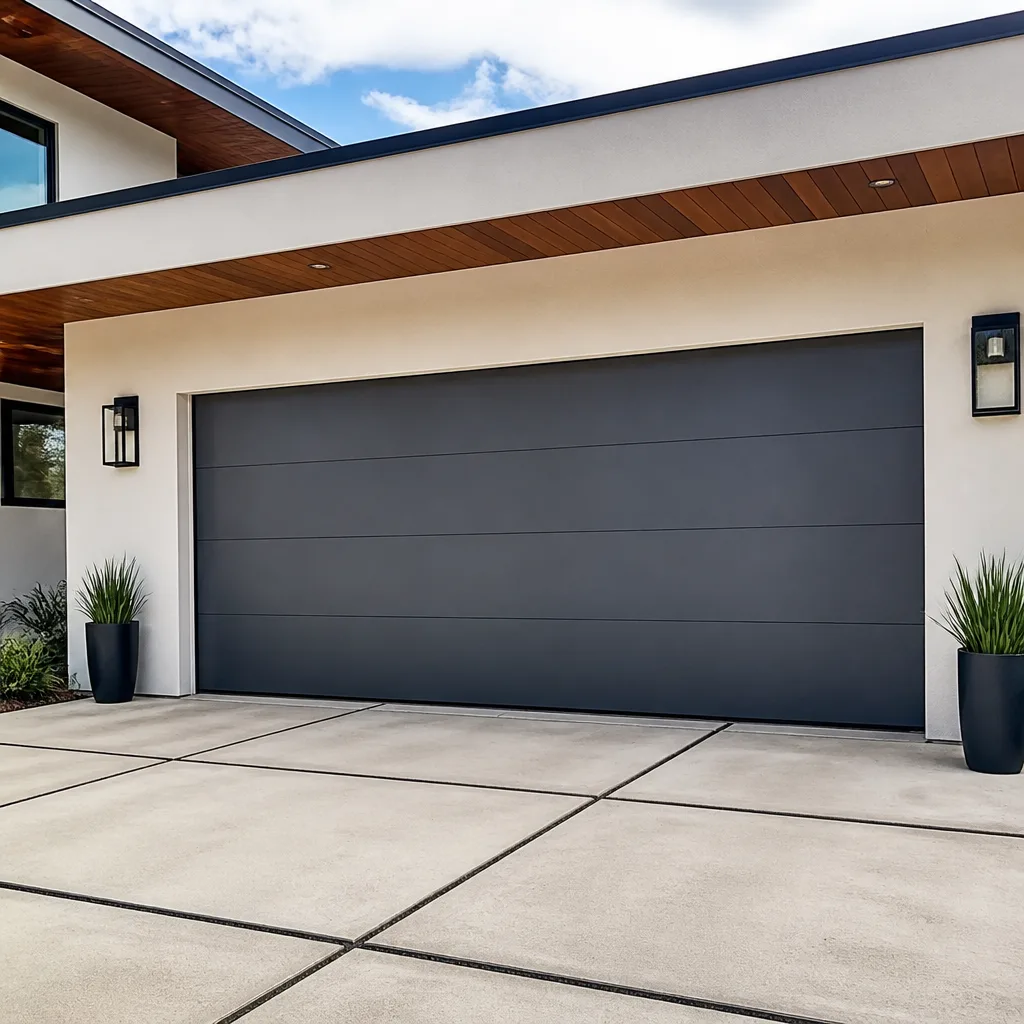 Modern flush
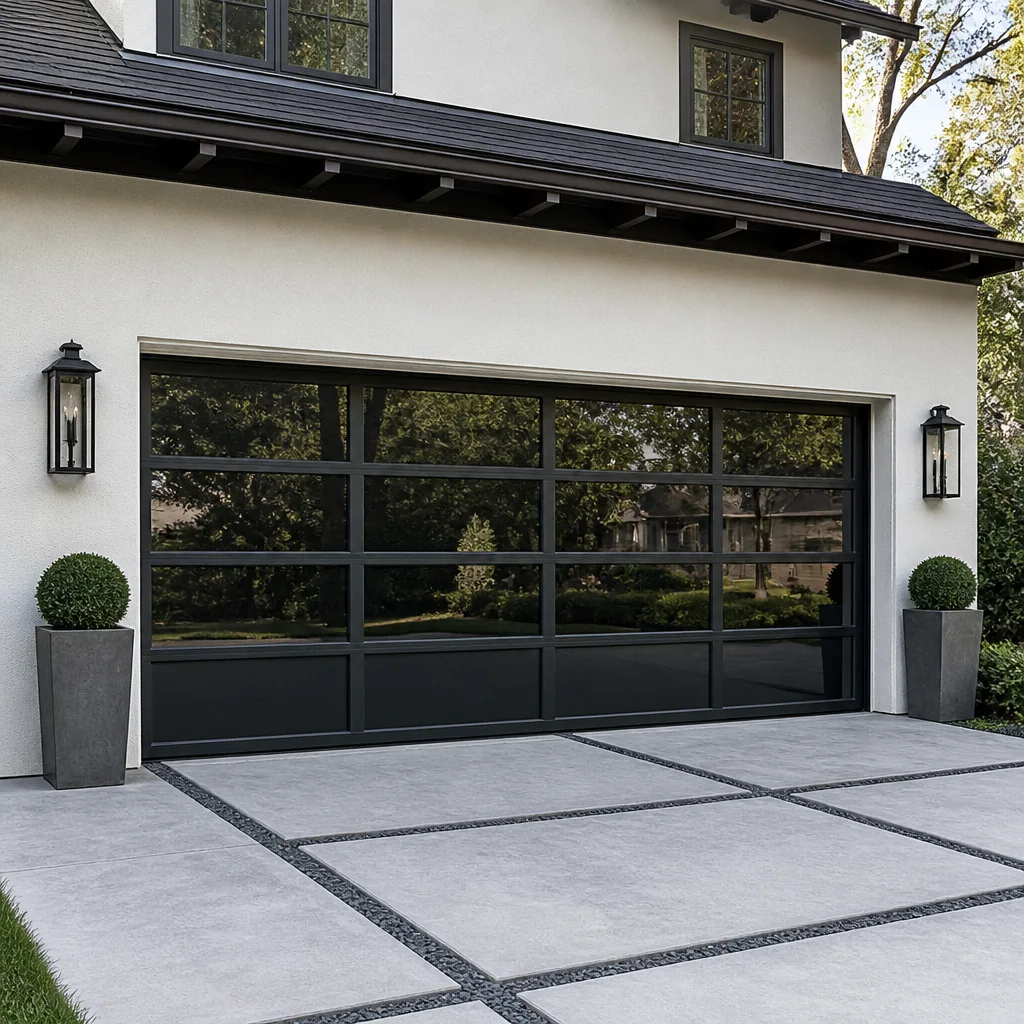 Full-view glass
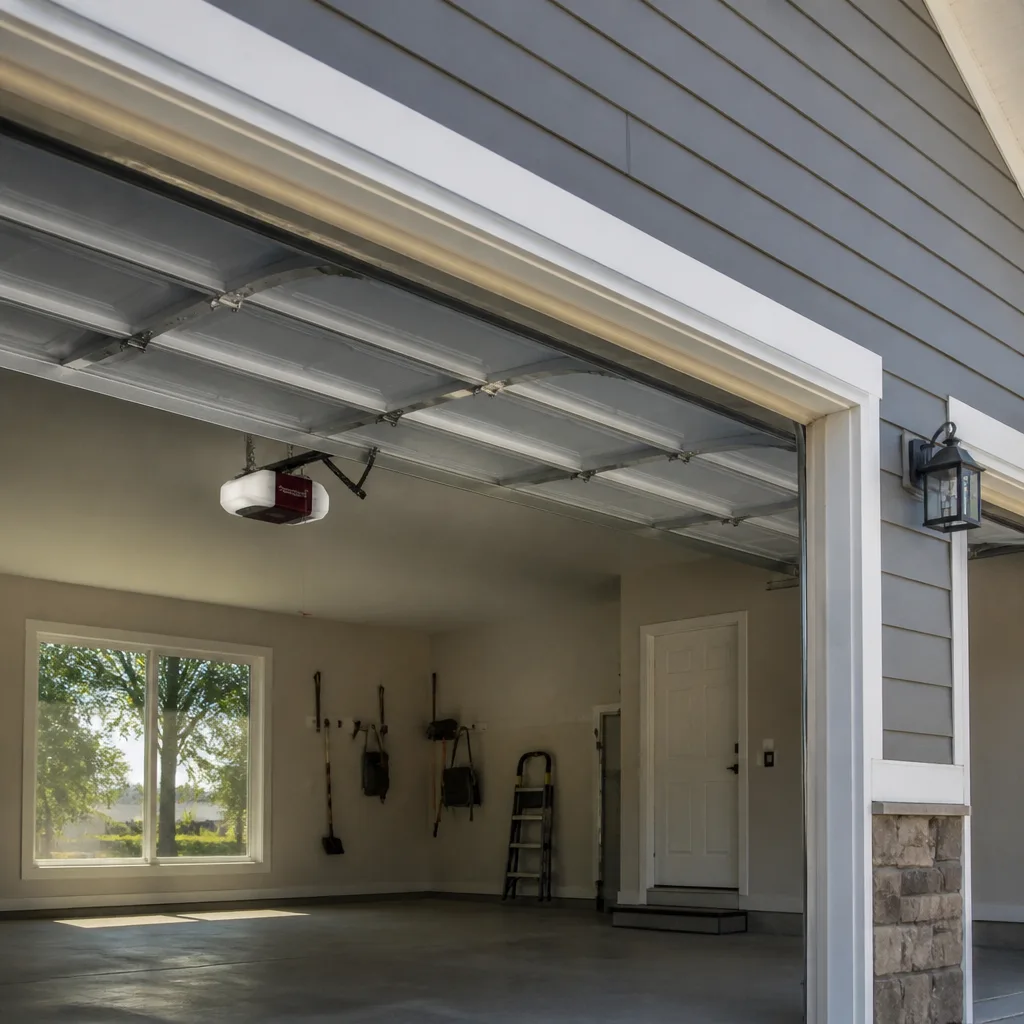 LiftMaster openers
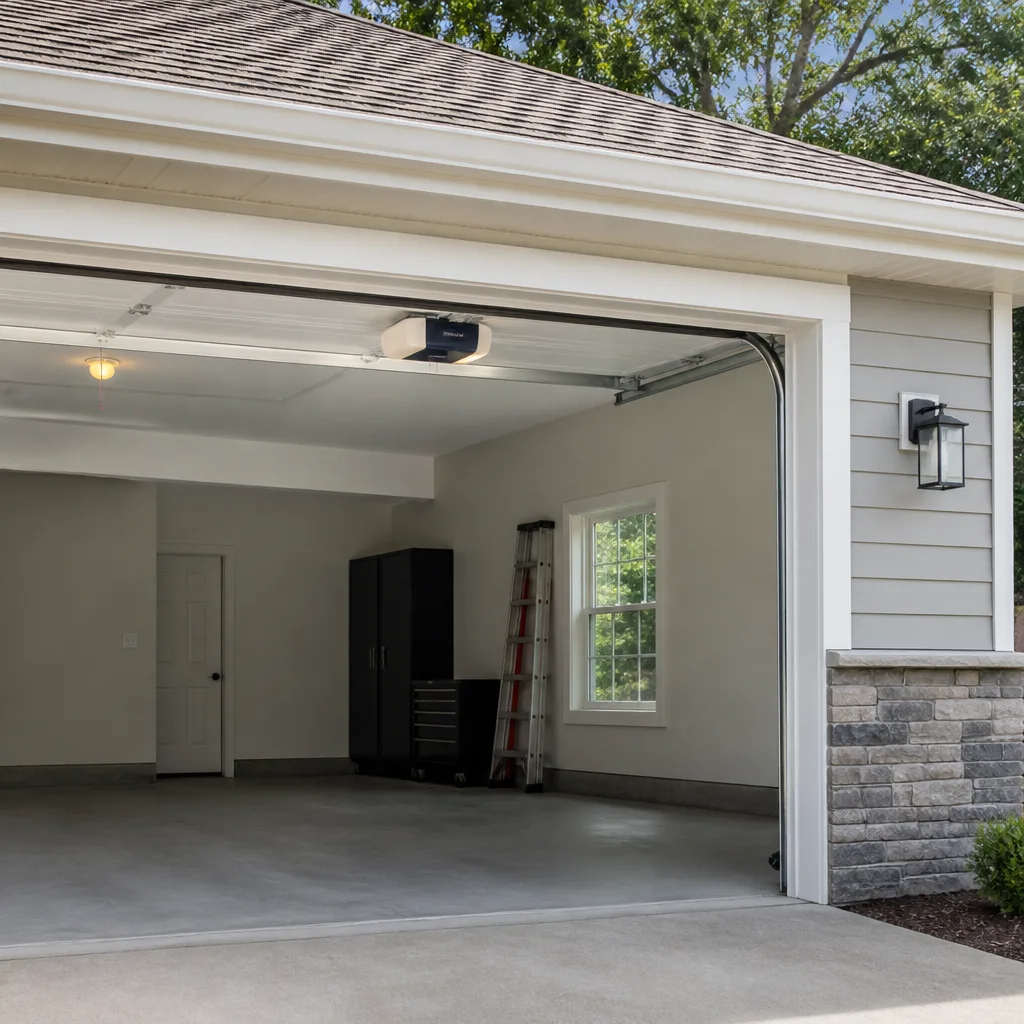 Chamberlain openers
Full 25-point door and opener safety check with every visit - springs, cables, rollers, tracks, and your LiftMaster or Chamberlain opener included
You get a price before we start. It does not change when the pro arrives.
Get your free estimateGarage Door Repair Troubleshooting in Palm Bay: Common Problems and How to Fix Them
A door that reverses before it closes all the way gets blamed on the opener most of the time. In our experience, that’s usually wrong. More often it’s a misaligned safety sensor or a bit of debris in the track channel, and it’s a two-minute fix that costs nothing. The trap is that homeowners replace the opener, or pay for a repair they didn’t need, because they chase the symptom instead of the part that’s actually failing. This guide works the other way around. We start with what you’re seeing and hearing in your Palm Bay garage, walk back to the component most likely at fault, and tell you plainly which problems you can handle yourself and which ones you shouldn’t touch.
Styles & brands we work with
- Raised-panel steel
- Carriage house
- Modern flush
- Full-view glass
- LiftMaster openers
- Chamberlain openers
Quick Answer
Most garage door problems in Palm Bay trace back to four components: the safety sensors, the torsion springs, the tracks and rollers, or the opener’s logic board. A door that reverses, stops halfway, or won’t respond usually points to sensors or the opener; a door that’s heavy, crooked, or won’t stay up usually points to springs or cables. Anything involving a broken spring, a cable off its drum, or a bent track under tension is not a homeowner job and needs a technician.
Table of Contents
- Symptom-to-Component Diagnostic Matrix
- How to Test Whether It’s the Opener, Springs, or Door Panels
- How Palm Bay Humidity and Summer Heat Affect Your Door
- What You Can Safely Check Yourself
- What Requires a Technician Immediately
- Red Flags That Mean a Small Problem Is a System Failure
- What Garage Door Repair Typically Costs in Palm Bay
- Why Opener Trouble Deserves Its Own Diagnosis
- Common Mistakes to Avoid
- When to Call a Professional
- Frequently Asked Questions
- The Bottom Line
Symptom-to-Component Diagnostic Matrix
Start with what the door is doing, not with what you think is broken. The table below maps the behaviors we hear about most often in Palm Bay to the component that’s most likely at fault, roughly ordered by how often that matches the actual problem. It won’t cover every case, but it narrows the field fast.
- Door reverses before closing: most often safety sensors (misalignment, dust, a spider web across the lens) or an obstruction in the track. Less often the opener’s travel limits. This is the single most misdiagnosed problem we see.
- Door won’t open at all, opener hums: usually a broken torsion spring or a snapped cable. The motor runs but the door has lost its counterbalance.
- Door opens partway and stops: travel limit settings, a binding track, or a failing logic board. If the door feels heavy when you lift it by hand, suspect the springs.
- Door shakes or shudders going up: worn rollers, a loose hinge, or a track that’s out of alignment.
- Grinding or scraping noise: dry or worn rollers, a bent track section, or debris caught in the channel.
- Door closes crooked, one side lagging: a fraying cable near the drum on one side. Treat this as urgent.
- Remote works sometimes: a dying remote battery, interference, or an opener receiver that’s on its way out.
The point of the matrix is to stop you from spending money on the wrong part. If your door reverses, don’t price an opener. Check the sensors first.
How to Test Whether It’s the Opener, Springs, or Door Panels
Before you call anyone, you can isolate the problem to one of three systems with a manual disconnect and your hands. This is the test our technicians run first, and any homeowner can do it safely if the door isn’t already crooked or stuck.
- Disconnect the opener. Pull the red manual release cord hanging from the opener rail. This separates the door from the motor so you’re moving the door by hand only.
- Lift the door halfway and let go. A properly balanced door stays roughly where you put it. If it drops or slams, the springs are weak or broken. If it fights you on the way up, the springs are shot or a track is binding.
- If the door is balanced and moves smoothly by hand, the springs and tracks are fine. Your problem is in the opener. Reconnect the release and move on to opener diagnostics.
- If the door is heavy or won’t stay up, stop. Don’t keep lifting. That’s a spring or cable problem, and the door can come down hard. Leave it disconnected and call.
- If the door moves fine by hand but shakes under power, the panels or rollers are the culprit, not the springs.
Two safety notes. Never run the opener with the door disconnected unless you’re just testing the motor, and never put your hands anywhere near the torsion bar, springs, or cable drums. Those parts are under extreme tension and can cause serious injury. This test tells you which system is failing; it isn’t an invitation to repair the spring side yourself.
How Palm Bay Humidity and Summer Heat Affect Your Door
Palm Bay’s humidity is the quiet factor behind a lot of the repair calls we get. It doesn’t break a door overnight, but it accelerates wear in ways homeowners don’t expect.
Torsion spring coils rust faster in humid air. Rust pits the coil surface, and that pitting changes how the spring flexes along its length, which shortens its working life and can make the door feel heavier before the spring actually breaks. Tracks are the other big one. Steel tracks expand in summer heat, and when they expand against the hardware holding them, the door starts to bind. A door that ran fine in cooler months can start catching or reversing as the heat builds. Rollers dry out and stiffen in the same conditions, which shows up as grinding and vibration.
- Wipe a light film of garage-door lubricant on springs, hinges, and rollers a couple of times a year. It slows rust and quiets the door.
- Check track alignment after the first hot stretch each summer. A track that’s drifted out of plumb will bind.
- Look along the spring coils for rust-colored streaks. That’s an early warning, not a decoration.
- Keep the photo-eye lenses clear. Dust and humidity film build up on them here faster than you’d think.
Most of what Palm Bay weather does to a door is gradual. Catching it with lubrication and an occasional alignment check is cheaper than catching it after a spring lets go.
What You Can Safely Check Yourself
Some issues really are homeowner fixes, and it saves you a service visit to handle them. These are the ones we’d tell a neighbor to try first.
- Safety sensor alignment. The two photo-eye sensors near the floor should face each other, and each should have a steady light. If one is blinking, nudge it back into alignment until the light goes solid. Wipe the lenses with a soft cloth.
- Track debris. With the door closed, look in the track channel for leaves, grit, or a small object. Clear it with a gloved hand or a soft brush. Don’t pry at the track itself.
- Lubrication. A garage-door-specific lubricant on springs, hinges, and rollers quiets the door and reduces friction. Don’t use household oil or grease; it attracts grit.
- Remote and battery checks. Swap the remote battery before assuming the opener is dead. If one remote works and another doesn’t, it’s the remote.
- Visual inspection. Look for rust on springs, fraying at the cables, loose hinges, and bent track. If you spot any of it, stop and call.
That’s the safe list. Everything that involves springs, cables, or the torsion bar sits on the other side of the line, and we’ll explain why next.
What Requires a Technician Immediately
Some garage door components store enough energy to hurt you badly, and it takes a trained technician to work on them safely. If you see any of the following, stop using the door and call. Don’t try to “hold it up” with a prop or a clamp and keep going.
- A broken torsion spring. You’ll often hear a loud bang and the door won’t lift. Springs are under extreme tension even when they look fine, and a broken one can release that energy suddenly. This is a professional job, every time.
- A cable off its drum or a frayed cable. Cables hold enormous tension and can snap with force. Do not touch them.
- A bent track under tension. If the door is stuck in a bent track or hanging at an angle, forcing it can drop it or warp the panels further.
- A door that closes crooked or hangs on one side. This usually means a cable is failing on one side, and it’s a sign of imminent failure.
- Any electrical work inside the opener or a hardwired circuit. Opener internals and wiring call for a technician who knows what they’re doing. If you’re not sure, treat it as electrical work and call.
Springs and cables are the two parts where the DIY impulse does real damage. They’re also the parts a proper repair visit handles fastest, because the diagnosis is quick once a technician is standing in front of the door.
Red Flags That Mean a Small Problem Is a System Failure
Some quirks are genuinely minor. Others look minor and are actually the first stage of a bigger failure. This is where homeowners get surprised, because the door still “works” right up until it doesn’t. In our experience, these are the patterns worth taking seriously in Palm Bay.
- Slow or lagging on one side. If one side of the door rises a beat behind the other, a cable is probably fraying near the drum on that side. That’s not a tuning issue; it’s a cable about to go.
- A door that’s gotten noticeably heavier over a few months. Springs don’t usually break without warning. They weaken first, and a door that’s gradually harder to lift is telling you the springs are on their way out.
- Grinding that’s getting louder. A single noisy trip is one thing. Grinding that builds trip after trip usually means a roller or track is failing, and left alone it warps panels.
- Repeated sensor faults in humid weather. If you’re re-aligning the sensors every week, something else is off, often a drifting track or a loose bracket.
- A door that reverses at a different point on the floor each time. This points to the opener’s travel limits or a logic board losing its settings, not the sensors.
The thread here is direction and trend. A door that’s changing for the worse trip after trip is a system failure in motion, and the repair is almost always simpler before the secondary damage sets in.
What Garage Door Repair Typically Costs in Palm Bay
The number a homeowner actually wants is a range, so here’s how garage door repair typically breaks down in Palm Bay. These are estimates, not quotes, and the written estimate sets the final price after a technician looks at the door.
- Safety sensor alignment or replacement: roughly $95 to $180 typical, depending on whether it’s an adjustment or a new sensor set.
- Torsion spring replacement, one spring: typically $180 to $340. A matched pair is usually replaced together, so a pair runs about twice that.
- Cable replacement: roughly $150 to $280 per side, depending on the drum and hardware condition.
- Roller and hinge replacement: typically $120 to $250 for a set.
- Track realignment: roughly $130 to $260, more if a section needs straightening.
- Opener logic board or motor repair: typically $180 to $400, depending on the brand and part.
We quote before we start and confirm the price with you in writing, so there are no surprises after the door is open. If the diagnosis changes once the door is apart, we tell you before we do the extra work. For a closer look at what each repair involves, see our garage door repair page. Call (866) 901-6506 for a free estimate; estimates are free and the price is agreed before any work starts.
Why Opener Trouble Deserves Its Own Diagnosis
Openers get treated as a single box that either works or doesn’t, but the truth is they fail in distinct ways, and each one points at a different part. A door that reverses might be a sensor or a logic board; a remote that works intermittently might be a battery, interference, or a receiver. If you don’t know which, you replace the remote and the opener and still have the problem. That’s why we treat opener repair as a specialist service, not a side task. We work on the major brands, including LiftMaster, Craftsman, and Raynor, so we know the parts and the failure patterns for each.
When we’re looking at an opener, we check the mechanical side (chain or belt tension, gears, the carriage), the electrical side (motor, capacitor, logic board), and the connectivity side (remotes, keypads, and smart-home integration) as three separate systems. That structure is what lets us tell you whether you need a $200 fix or a new opener, and it’s why brand familiarity matters. For more on how that diagnosis goes, see our garage door opener repair page. If your door’s moving fine by hand but the opener is the problem, this is the visit to make.
Common Mistakes to Avoid
- Replacing the opener when the door reverses. In our experience, that’s most often a sensor or track issue, and the new opener won’t fix it. Check the sensors first.
- Trying to fix a broken spring yourself. Springs are under extreme tension and can cause serious injury. This is one to leave to a trained technician, every time.
- Greasing the track. Rollers need lubrication; the track channel collects dirt when greased and the door starts to bind. Keep the channel clean and dry.
- Ignoring a door that’s slow on one side. It usually means a cable is fraying near the drum. Waiting can turn a cable repair into panel and track damage.
- Skipping lubrication in humid months. Palm Bay’s humidity rusts springs and stiffens rollers faster than most homeowners expect. A light application a couple of times a year makes a difference.
- Adjusting the opener’s travel limits to compensate for a binding door. If the door binds, the fix is the track or rollers, not the limit settings. Changing the limits just hides the problem.
- Running a door that hangs crooked. A crooked door is a system failure in progress. Stop using it and call; forcing it makes the repair bigger.
When to Call a Professional
Call a technician when the door involves springs, cables, a bent track under tension, or anything electrical inside the opener. Call right away if the door hangs crooked, won’t lift, or lags on one side, because those are signs of a failure that can drop the door. If you’ve checked the sensors, cleared the track, and lubricated the moving parts and the door still misbehaves, it’s time for eyes on the actual components. In Palm Bay, the humid, hot climate means spring and track wear happen faster than many homeowners assume, so a confusing symptom is often the second stage of a problem that started quietly. We diagnose before we quote, so you know what’s failing and what a fix costs before anyone starts. For the broader picture of who we are and how we work, see Unity Garage Door Repair. Unity Garage Door Repair offers free estimates in Palm Bay. Call (866) 901-6506; we answer 24/7, with fast dispatch from 7am to 7pm, Sunday through Friday.
Frequently Asked Questions
Most often it’s a misaligned or dirty safety sensor, or debris in the track, not a failing opener. Check that both photo-eye sensors face each other and have steady lights, and clear any obstruction from the track channel. If it still reverses after that, the opener’s travel limits or logic board may need attention. Call (866) 901-6506 for an exact quote; estimates are free.
Most repairs in Palm Bay fall between about $95 for a sensor adjustment and roughly $400 for an opener logic board or motor repair. Torsion spring replacement is typically $180 to $340 for one spring, and a matched pair is about twice that. Call (866) 901-6506 for an exact quote; estimates are free.
In most cases, yes. We answer 24/7 and run fast dispatch from 7am to 7pm, Sunday through Friday, closed Saturday, so same-day repair is often possible. A call outside dispatch hours is booked into the next opening. Call (866) 901-6506 for an exact quote; estimates are free.
No. We diagnose before we quote, and the price is agreed in writing before any work starts. If the diagnosis changes once the door is apart, we tell you before we do the extra work. Call (866) 901-6506 for an exact quote; estimates are free.
No. Torsion springs and cables are under extreme tension and can cause serious injury even when they look harmless, so a broken spring or a cable off its drum is always a job for a trained technician. Don’t touch those parts. Call (866) 901-6506 for an exact quote; estimates are free.
Yes. We connect you with licensed, insured local professionals, and our technicians have up to 14 years of experience. That matters on repairs involving springs and cables, where the work calls for training. Call (866) 901-6506 for an exact quote; estimates are free.
The Bottom Line
Most garage door problems in Palm Bay come down to a handful of components, and the trick is working backward from the symptom to the part instead of guessing. A reversing door is usually sensors or a track obstruction, a heavy door is usually springs, and a door that lags on one side is a cable on its way out. Handle the safe stuff yourself, sensor alignment and lubrication and clearing the track, and leave springs, cables, and anything under tension to a technician. Our technicians have up to 14 years of experience and can diagnose the brand on your door, whether it’s a Wayne Dalton, a LiftMaster, or anything else. If you’re not sure which component is failing, we’ll tell you, and we’ll quote before we start.
Unity Garage Door Repair provides garage door repair, garage door opener repair, and garage door installation across Palm Bay. Call (866) 901-6506 for a free estimate. We answer 24/7, with fast dispatch from 7am to 7pm, Sunday through Friday. One call, fully resolved.
Written by the team at Unity Garage Door Repair.
See the difference
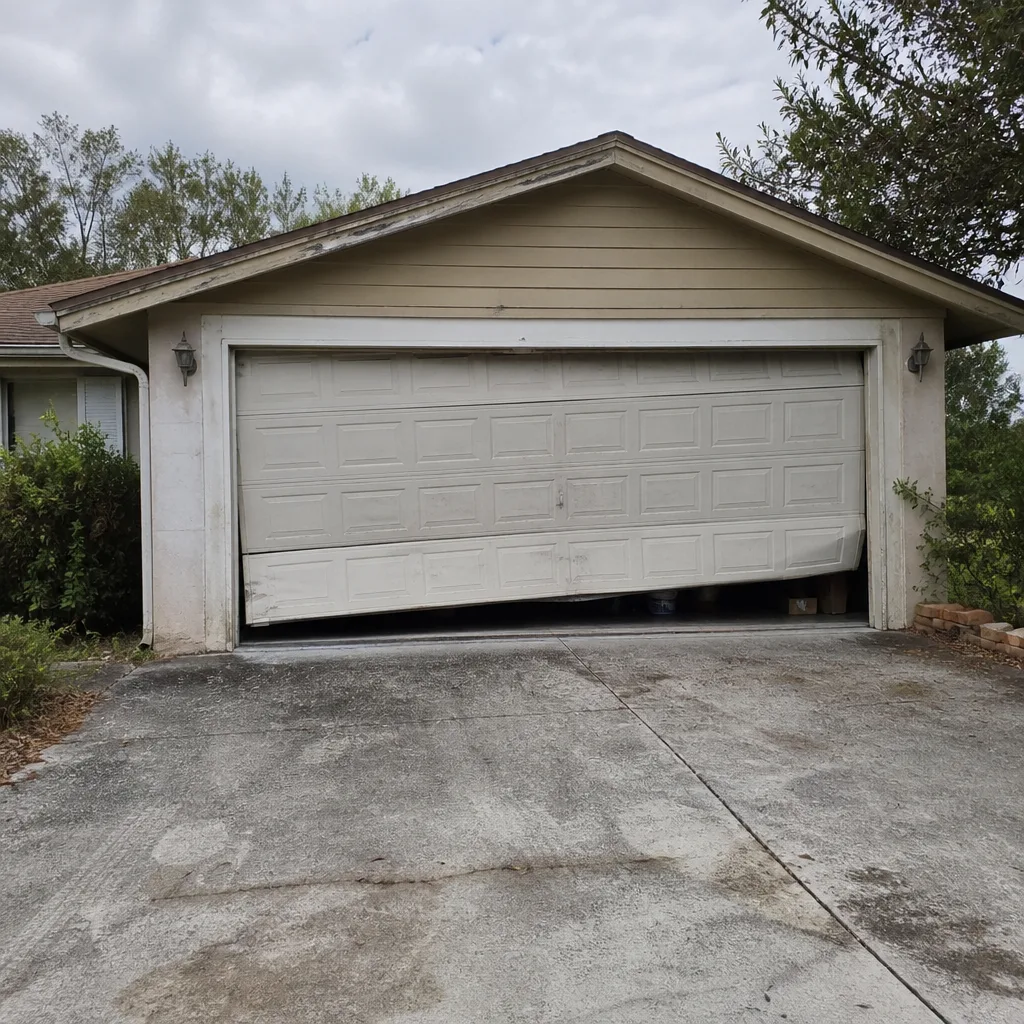 Before
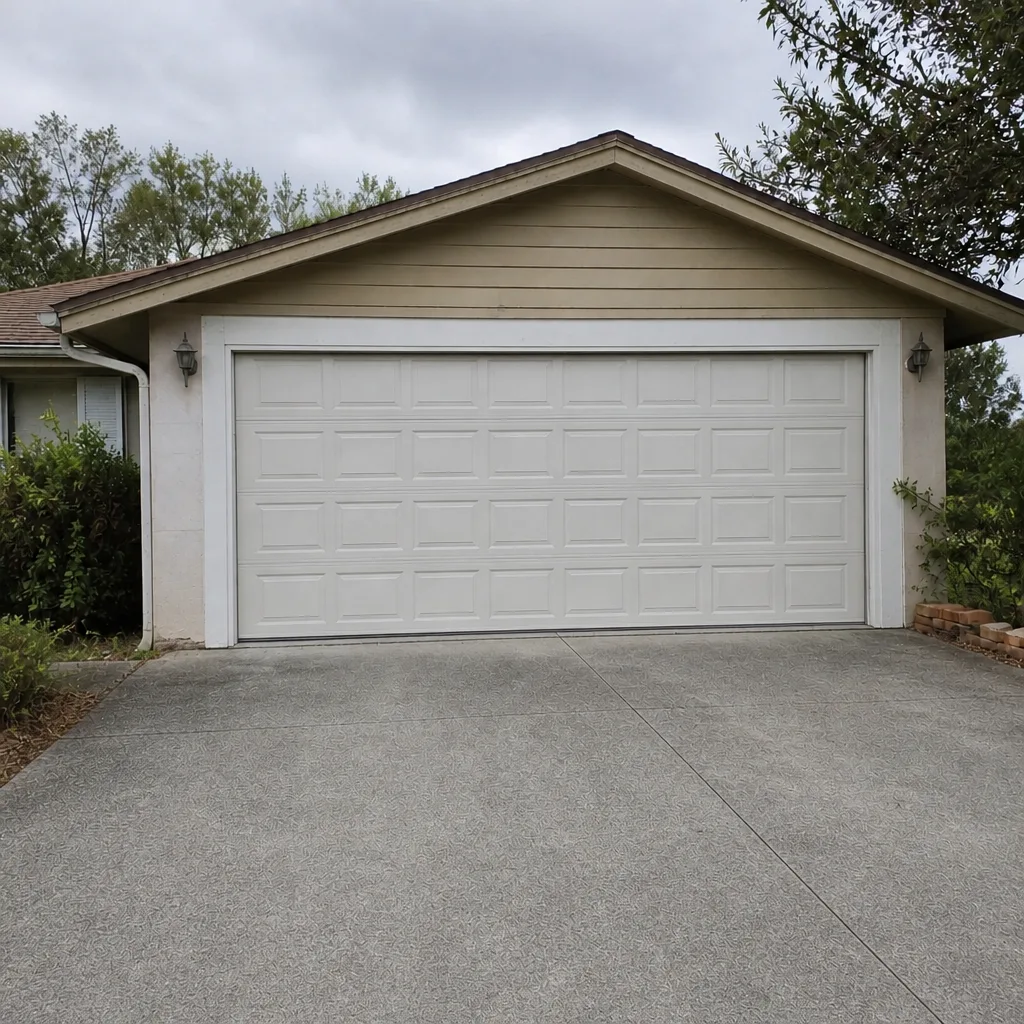 After
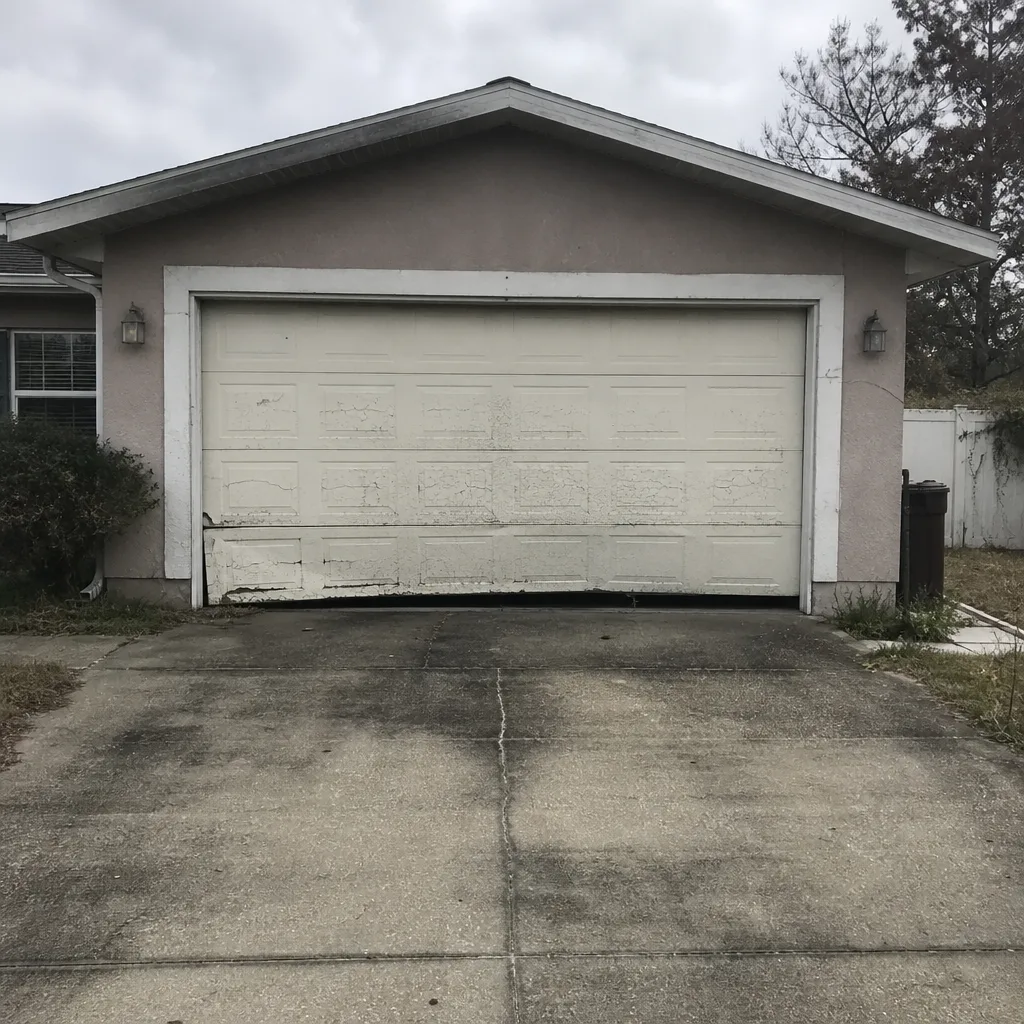 Before
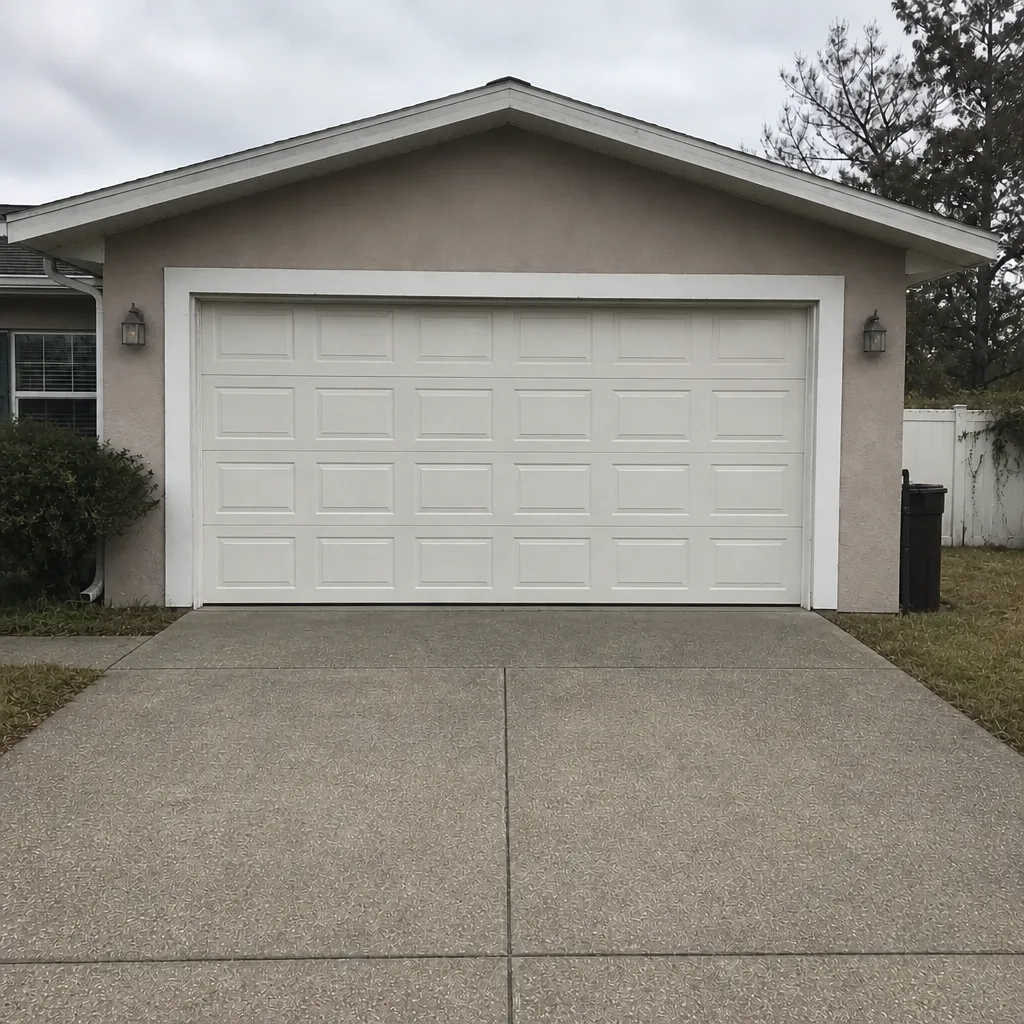 After
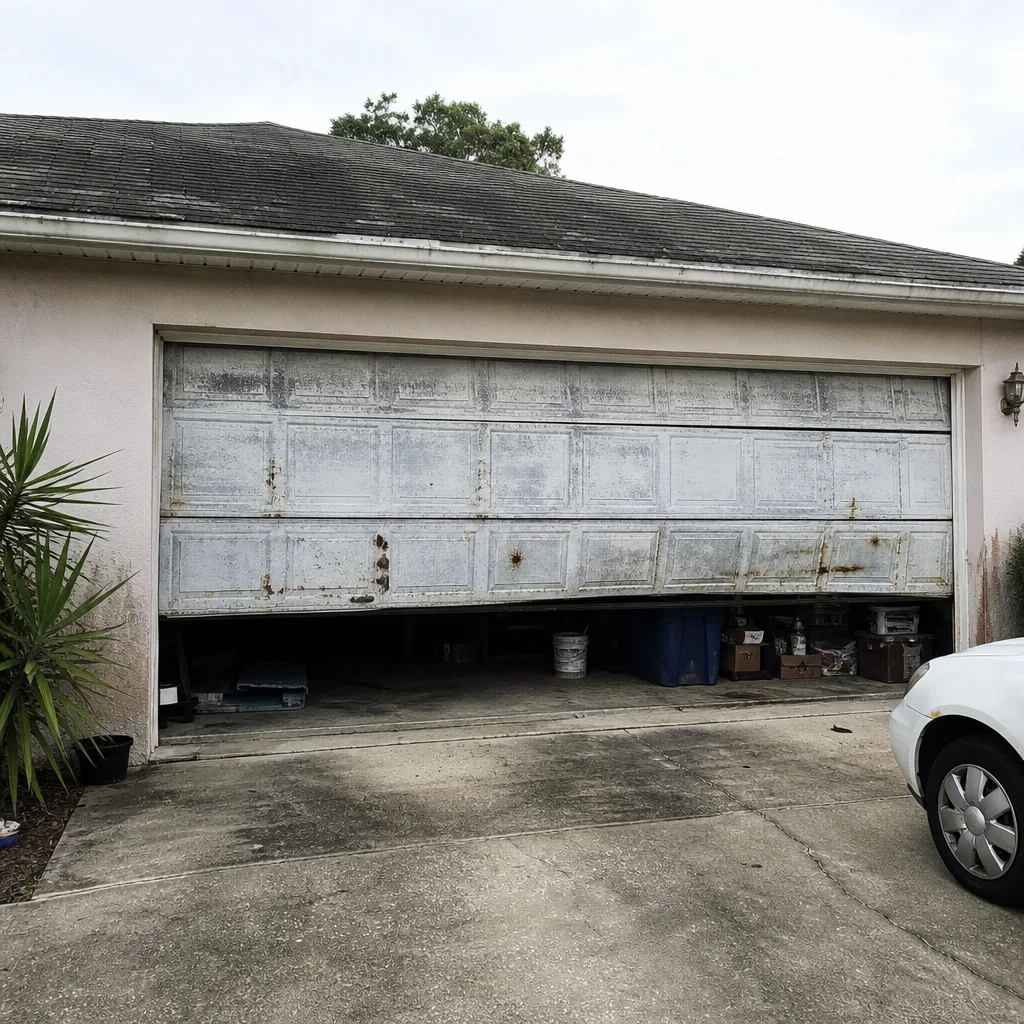 Before
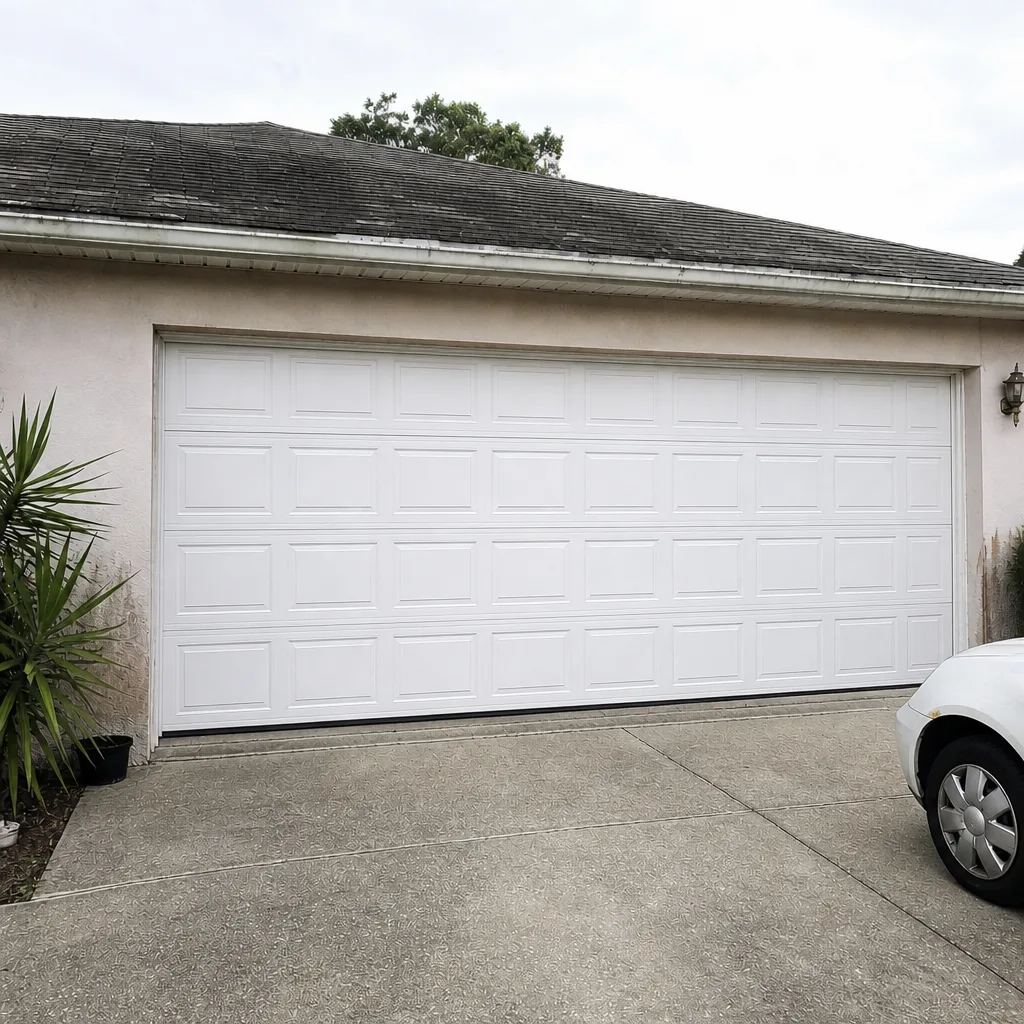 After