
Last updated November 15, 2026
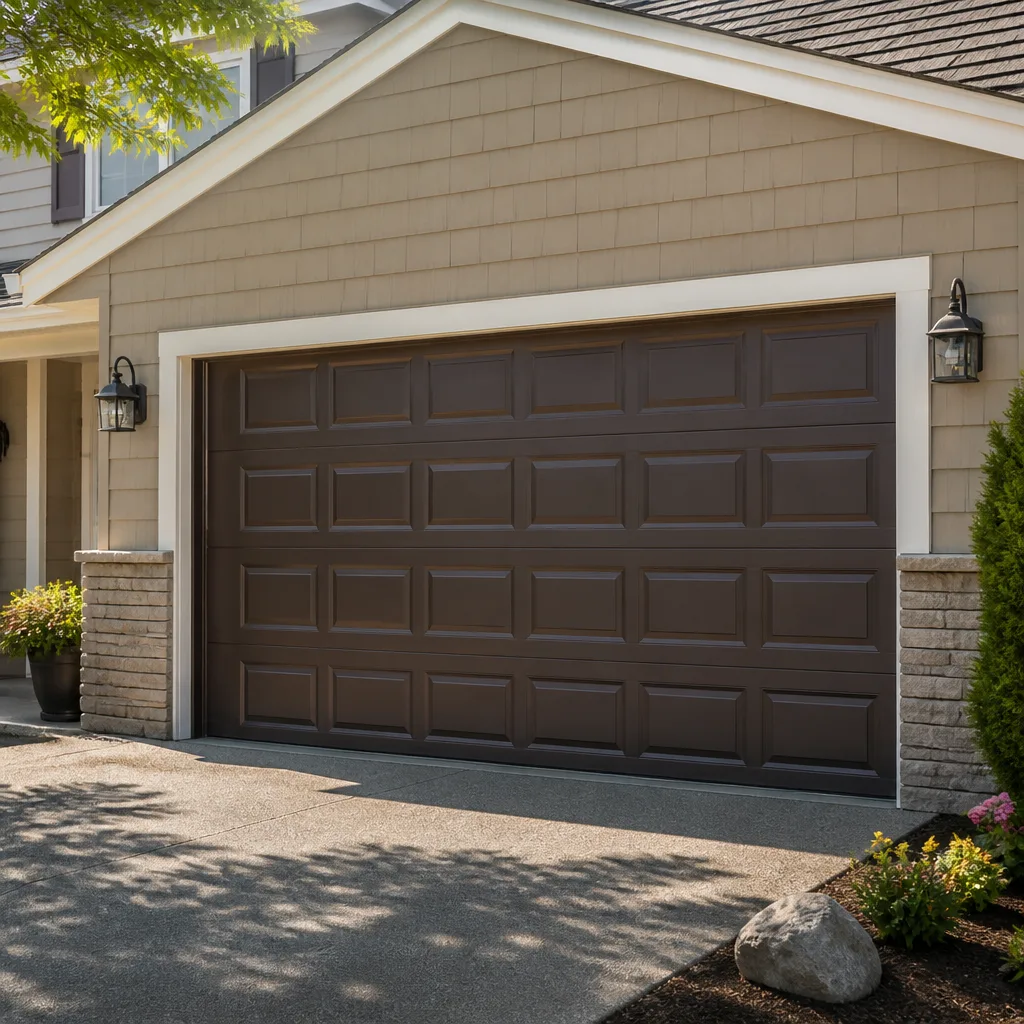 Raised-panel steel
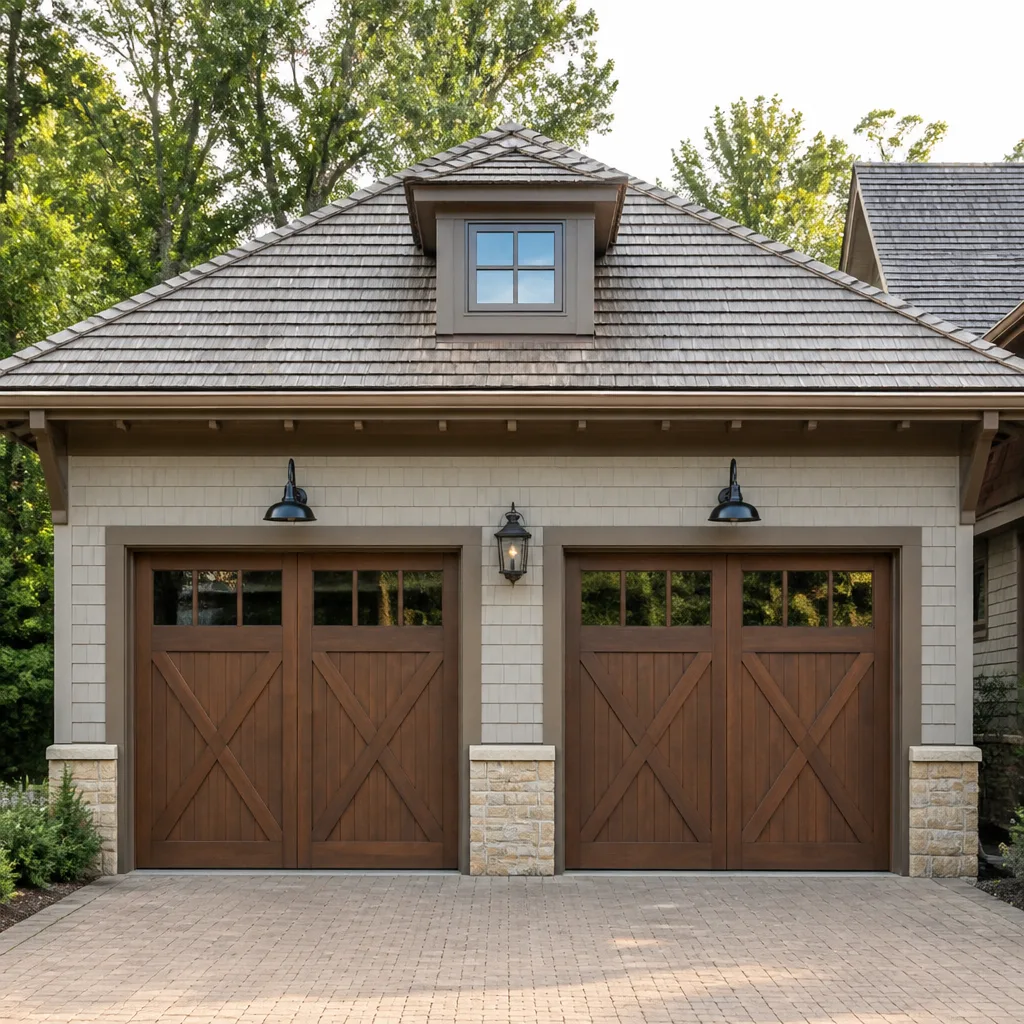 Carriage house
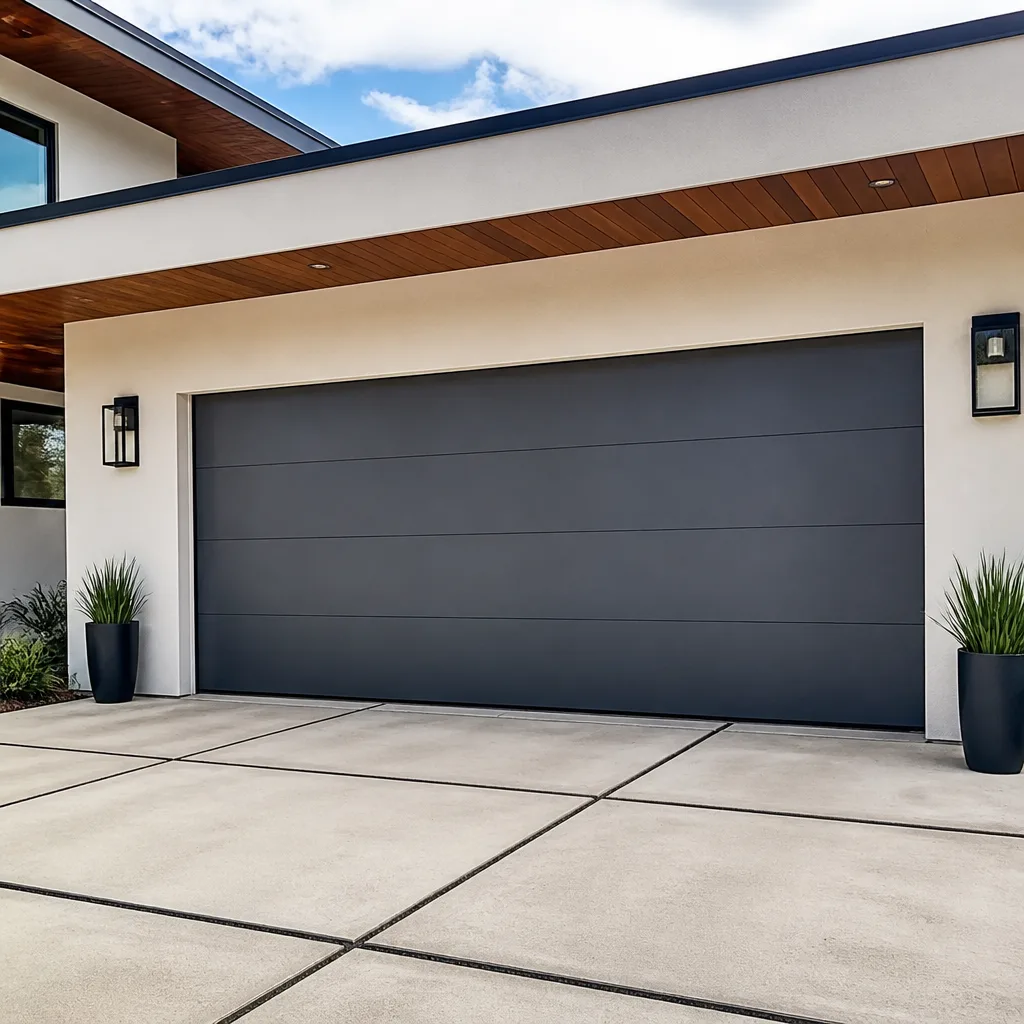 Modern flush
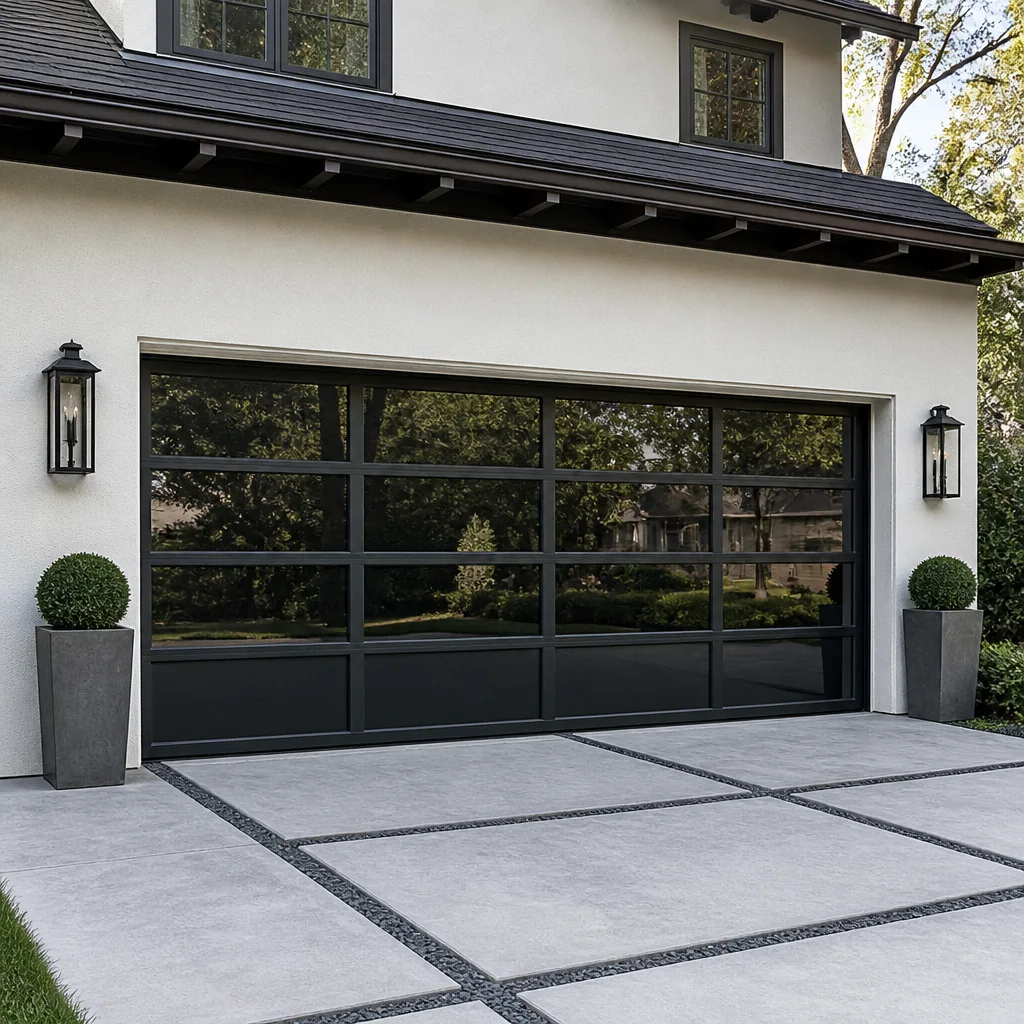 Full-view glass
 LiftMaster openers
 Chamberlain openers
Full 25-point door and opener safety check with every visit - springs, cables, rollers, tracks, and your LiftMaster or Chamberlain opener included
You get a price before we start. It does not change when the pro arrives.
Get your free estimateGarage Door Permits, Codes & Inspections in Palm Bay, FL: What You Need to Know
Most Palm Bay homeowners assume a garage door is a simple swap. It isn’t. Because Palm Bay sits inside Florida’s wind-borne debris region, a new or replacement door is a building-code product tied to a permit, a product approval number, and an inspection. The work itself usually takes a day. The paperwork that makes it legal, insurable, and sellable takes a little longer, and skipping it is the single most common mistake we hear about. This guide explains exactly which garage door projects trigger a Brevard County permit in Palm Bay, how Florida’s wind requirements apply to your address, what the product approval system means on the form, and what happens at resale when the paperwork is missing.
Quick Answer
A permit is required in Palm Bay for any new garage door installation or full door replacement, because the door must meet Florida wind-borne debris and product-approval requirements. Routine repairs, including like-for-like spring, cable, roller, and opener replacement, generally do not require a permit. If you’re installing or replacing a door, the permit, the approved product, and the passing inspection are what protect your insurance credit and your resale; that’s where a licensed installer does the paperwork for you.
Styles & brands we work with
- Raised-panel steel
- Carriage house
- Modern flush
- Full-view glass
- LiftMaster openers
- Chamberlain openers
Table of Contents
- Which Garage Door Projects Trigger a Brevard County Permit
- How Wind-Borne Debris and Hurricane Zone Rules Apply to Palm Bay
- Understanding Product Approval Numbers Before You Buy
- What Happens at a Garage Door Inspection
- What a Failed Inspection Looks Like and Why It Costs More to Fix Later
- How Unpermitted Work Shows Up at Resale in Brevard County
- Repair or Replace: Where the Line Falls
- The Permit and Installation Process, Step by Step
Which Garage Door Projects Trigger a Brevard County Permit
The permit line is drawn by the nature of the work, not the price tag. A new door or a complete replacement changes the opening’s wind-rated envelope and requires a permit. A repair that returns the door to its original condition typically doesn’t. That distinction trips up homeowners because a $600 spring replacement and a $2,400 door replacement look like similar-sized jobs on a receipt.
Here’s the practical breakdown:
- Requires a permit: new garage door installation, complete door replacement, changing door size, converting a manual door to an automated one where structural or wind-rated components change, and any job that alters the structural opening or track mounting.
- Generally no permit: replacing a broken torsion or extension spring with a matching part, new cables, rollers, hinges, bottom seals, and opener motor replacement where the door and mounting stay as-is.
- Grey area: replacing a door with a different model than the original. Ask the Brevard County building department or your installer before you buy, because a different product approval number may push the job into permit territory.
In Palm Bay, the building department evaluates the scope you describe. If you are replacing the door with a like-for-like model that carries the same approval, the paperwork is still often required because the door is a rated component. If you’re uncertain, the safest move is a quick call to the city before the order goes in. We work through this daily and it’s one of the first things we clarify with Palm Bay homeowners: whether the job is a repair or a replacement, because the answer determines the rest.
How Wind-Borne Debris and Hurricane Zone Rules Apply to Palm Bay
Florida divides the state into wind zones, and the rules that apply to your garage door depend entirely on which zone your Palm Bay address sits in. The two terms you’ll see on the permit are the Wind-Borne Debris Region (WBDR) and the High Velocity Hurricane Zone (HVHZ). The HVHZ is the most stringent standard and is reserved for specific coastal counties in South Florida (Miami-Dade and Broward); those standards don’t apply to Palm Bay. Palm Bay is within the WBDR, which is where most of Brevard County sits, and that’s the designation that governs the door you install.
What that means in practical terms:
- Your garage door must carry a Florida Product Approval (FL#) appropriate for the wind speed and debris region that covers your address.
- The approved installation method (anchors, brackets, reinforcement) has to match the approval, not just the door.
- The installer should provide the approval documentation at the time of installation, because both the inspector and your insurer may ask for it.
Because the exact wind speed and exposure category can vary block by block, the authoritative answer for your Palm Bay property comes from the Brevard County building department or the Florida Building Code wind maps. Use the general designation to understand the requirement, then confirm the specific number before ordering. Our role when we install a door in Palm Bay is to match the product approval to the site and provide the documentation that goes with it.
Understanding Product Approval Numbers Before You Buy
A Florida Product Approval number, or FL#, is the code evaluation that proves a door system can perform to the wind standard claimed for it. Without a valid FL# matched to your door, your installation method, and your wind zone, the door can’t legally be permitted on a replacement. If you’re comparing quotes in Palm Bay, the FL# is one of the first things to look for.
How to verify a door is approved for your wind zone before purchase:
- Ask the supplier or installer for the Florida Product Approval number for the specific model and size you’re buying.
- Check that the approval lists the wind pressure and region your Brevard County address falls into.
- Confirm the installation details (anchors, brackets, reinforcement) in the approval match what will actually be installed.
- Keep a copy of the approval with your permit records and your homeowner insurance file.
This is where brand choice and code compliance intersect. We install doors from Clopay, Amarr, and Wayne Dalton, and each manufacturer’s product line includes models that carry valid Florida approvals and models that don’t. Brand-neutral installation matters here: we recommend the approved product that fits your door opening, wind zone, and budget rather than steering you toward a model based on inventory. If you’re comparing a Craftsman door from a big-box store against a dealer-supplied door, ask for the FL# on both. The number, not the showroom, is what the inspector cares about.
What Happens at a Garage Door Inspection
The inspection is a code check, not a quality opinion. The inspector is confirming the door installed matches the approved product and that the installation method matches the approval. A pass means the door is legal, insurable, and documented. Most inspections for garage doors are scheduled after installation and are comparatively quick.
What the inspector typically checks:
- The door’s FL# matches the model and size on the permit.
- The anchors, brackets, and reinforcement match the approved installation detail.
- The door operates and the safety features (auto-reverse, photo-eye) function.
- Tags, labels, or approval documentation are present and legible.
For a Palm Bay homeowner, planning the inspection into the schedule saves a follow-up trip by the installer. If the door fails for a documentation reason, the installer returns to correct it, which can delay the final sign-off. We schedule installations so the inspection happens on a clean first pass, and we’re on site for that check when needed. If you’ve had a repair done and the inspector asks for documentation on the door’s approval, our technicians can help you pull the model information recorded for your door. If you’re still deciding whether the job needs a permit at all, garage door repair covers the repair side, while installation and replacement are where the permit process lives.
What a Failed Inspection Looks Like and Why It Costs More to Fix Later
A failed garage door inspection in Palm Bay almost always comes down to one of three things: the installed door doesn’t match the approved product, the installation method doesn’t match the approval, or the documentation is missing. None of those are about whether the door works. They’re about whether the paperwork and the hardware match the code record.
The correction cost is straightforward. If the door is the wrong product for the wind zone, it has to come off and be replaced with an approved model, which means the full installation cost is paid twice. If the anchors or reinforcement don’t match the approval, the installer returns to correct the hardware, which is less expensive but still a second visit. If the documentation is missing, the fix is usually a records search and resubmission. In every case, the small step skipped at the start becomes the expensive step at the end.
What a passed inspection provides is a paper trail. That trail is what an insurer will look at if a storm claim touches the door, and it’s what a buyer’s inspector looks for during a home sale. A pass is not a stamp of approval on the technician’s work; it’s a record that your home has a code-compliant door assembly. For Palm Bay residents in the wind-borne debris region, that record matters more than most homeowners realize until they need it. When a door fails for the wrong reason, the cost isn’t the repair; it’s the replacement you didn’t plan for.
How Unpermitted Work Shows Up at Resale in Brevard County
Unpermitted garage door work tends to surface at the worst possible moment: during a home sale. In Brevard County, a buyer’s inspector compares the door on the property against the building permit records. If a replacement door was installed without a permit, the inspection report flags it, and the buyer’s agent begins asking questions. At that point the seller has two choices: disclose the unpermitted work and negotiate, or bring the door into compliance before closing.
What sellers in Palm Bay actually face:
- A buyer’s inspection that notes a door replacement with no permit record triggers a compliance question.
- Florida seller disclosure requires known material defects and unpermitted improvements to be disclosed.
- Compliance usually means retroactive permitting, matching the installed door to an approved product, and inspection; sometimes the door is the wrong model and has to be replaced.
- Timing pressure: closing dates don’t pause for a re-inspection.
The cost to bring unpermitted work up to code during a sale is higher than the cost of doing it right the first time, because you’re paying for the inspection, the possible replacement, and the paperwork scramble under deadline. If you’re selling a Palm Bay home and the door replacement was done years ago, request the permit records early. A permit search can usually be done before the listing goes live, which gives you time to correct the record without pressure. If you need a door corrected or replaced to satisfy a buyer’s inspection, we handle both the code side and the install.
Repair or Replace: Where the Line Falls
A repair keeps the existing door and restores it; a replacement swaps the door, and that’s where the permit requirement kicks in. For homeowners in Palm Bay, the decision usually comes down to the age and condition of the door panel, the state of the tracks, and whether the door is carrying a valid product approval for the wind zone. A door that’s 20 years old and still functioning may still be the wrong product for today’s wind requirements if it’s ever replaced without the approved model.
A simple rule of thumb:
- Repair: one or more components (spring, cable, roller, hinge, opener) is failing, and the door panel, tracks, and structural opening are intact.
- Replace: the panel is damaged or delaminating, the tracks are bent, the door is out of alignment with the opening, or the current product doesn’t carry a valid Florida Product Approval for your wind zone.
Springs, cables, and openers are where most repair calls land, and those jobs usually don’t need a permit. Replacement is where the permit, product approval, and inspection chain begins. We’re happy to look at a Palm Bay door and tell you which side of that line it’s on before you commit. Our technicians have up to 14 years of experience, and the assessment is part of the free estimate. If the answer is repair, our garage door opener repair and general repair services cover it. If the answer is replacement, the permit process described here is the roadmap.
The Permit and Installation Process, Step by Step
Here’s how a permitted garage door replacement flows for a Palm Bay homeowner, from decision to signed-off inspection:
- Confirm the scope. Decide whether the job is a repair or a replacement. If it’s a replacement, the permit applies.
- Select an approved product. Choose a door that carries a valid Florida Product Approval for the wind zone covering your Brevard County address.
- Pull the permit. The installing contractor typically handles the permit application with the Brevard County building department, including the product approval documentation.
- Install to the approval. The door, anchors, brackets, and reinforcement are installed to match the approved method, not a generic method.
- Inspect. The inspector confirms the installed product and method match the permit. A pass produces the signed record.
- Keep the records. Store the permit, the inspection sign-off, and the product approval with your insurance documents and resale file.
The single biggest time-saver is step 2. Once the approved product is confirmed and matched to the wind zone, the rest of the process runs cleanly. Skipping it is how doors end up failing inspection or being replaced twice. When we install a door in Palm Bay, we treat the product approval verification as part of the job, not an afterthought. If you’d rather start with the installation side, our Unity Garage Door Repair service page explains all three services we handle.
Common Mistakes to Avoid
- Assuming a replacement doesn’t need a permit because the old door was already there. The permit is about the new door and its wind-rated approval, not the opening. A like-for-like replacement still typically needs the paperwork.
- Ordering a door from a big-box store without checking the FL# for your Palm Bay wind zone. A door that isn’t approved for the site can’t be permitted, and the return or replacement cost falls to the homeowner.
- Installing to a generic method instead of the approved one. The product approval specifies anchors and reinforcement; deviating from them fails the inspection even if the door is correct.
- Skipping the inspection sign-off. A permit without a passed inspection isn’t a completed job; the record is what protects you at resale and in a storm claim.
- Losing the product approval documentation. Insurers and buyers may ask for it years later; keep it with your permit records.
- Selling a Palm Bay home with an unpermitted replacement. The buyer’s inspection will surface it, and the seller may be required to disclose it, which can push a re-inspection into the closing timeline.
- Confusing opinion with code. A neighbor’s approval, a salesperson’s assurance, or a showroom’s word isn’t the code record. The building department and the FL# are the authority.
See the difference
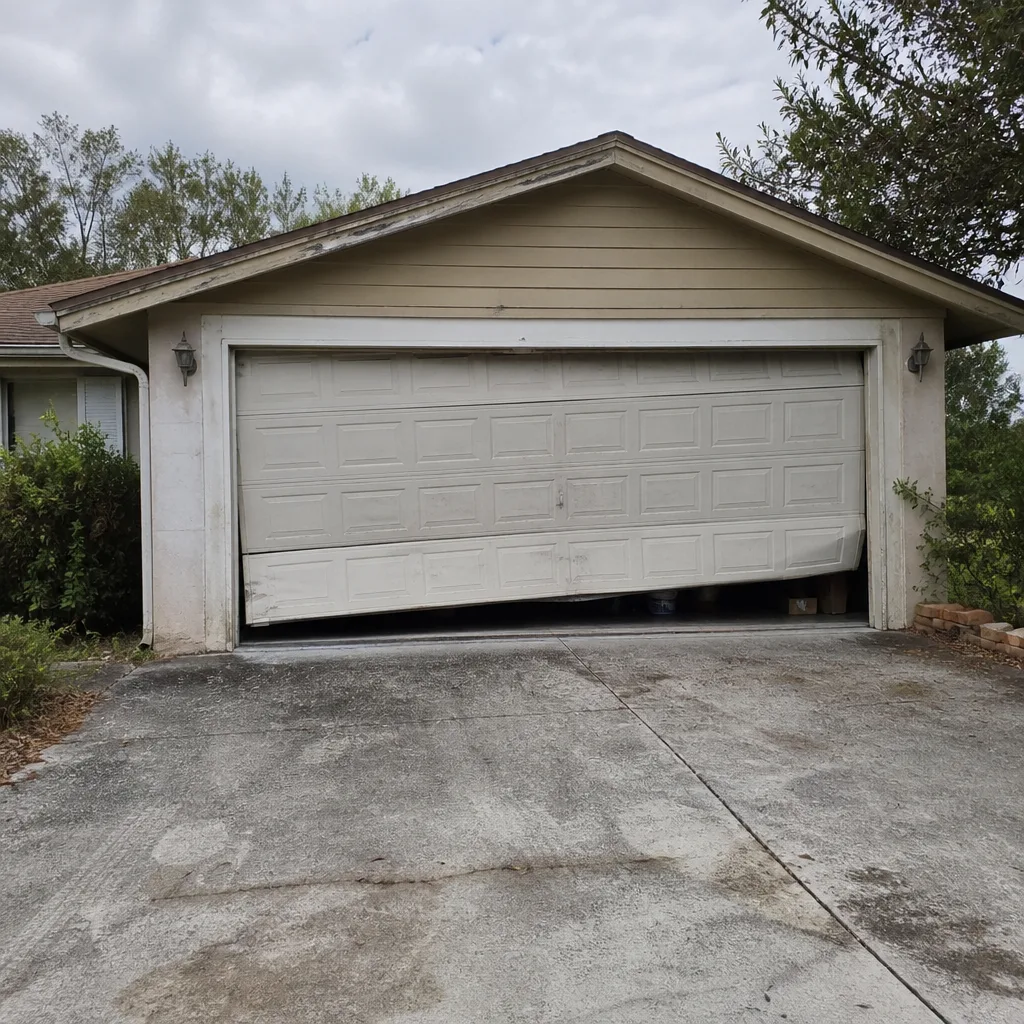 Before
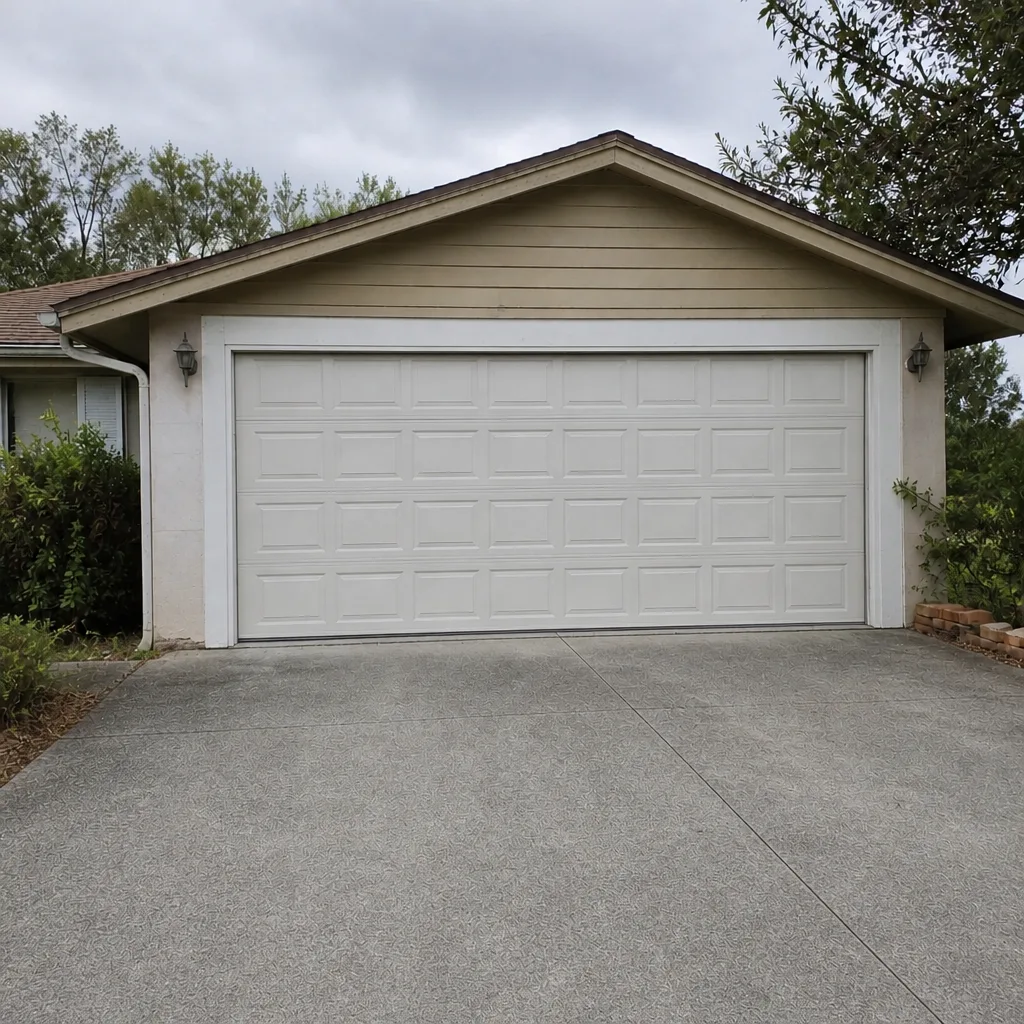 After
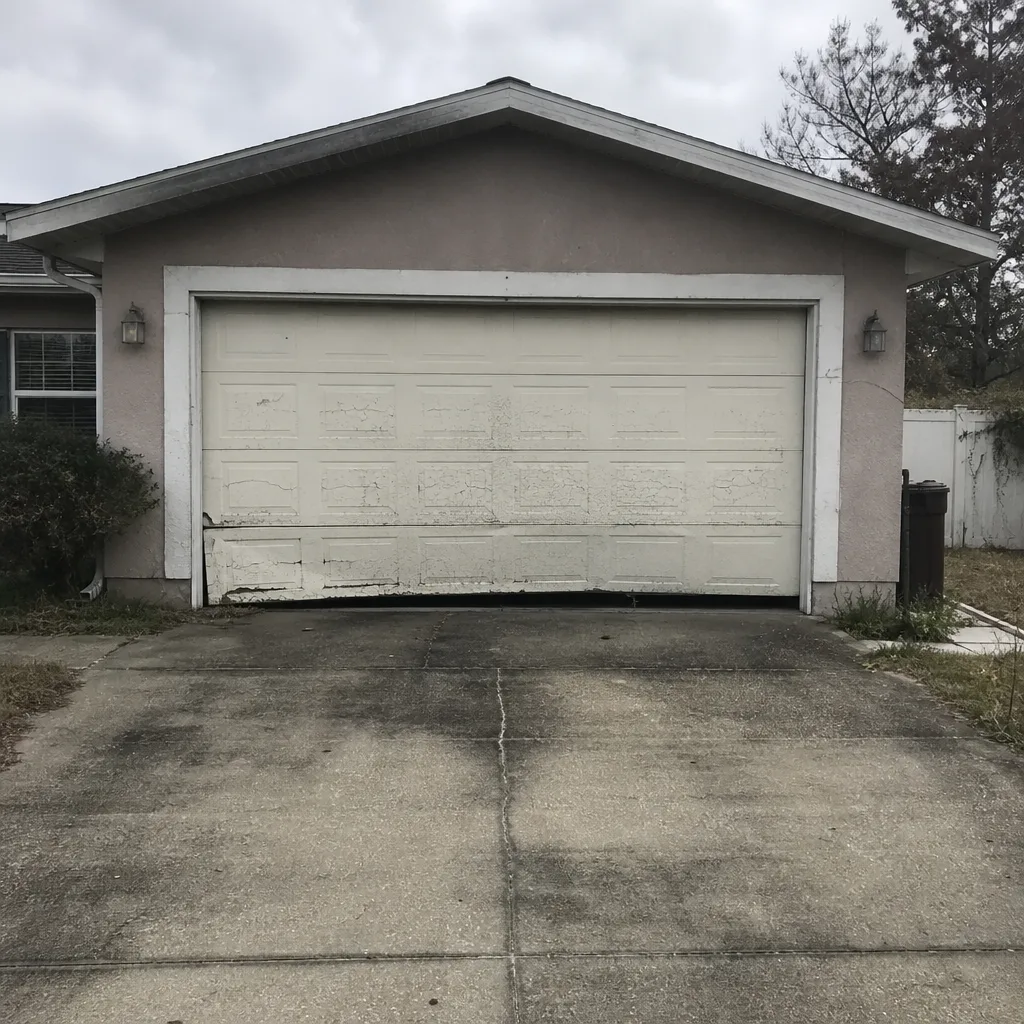 Before
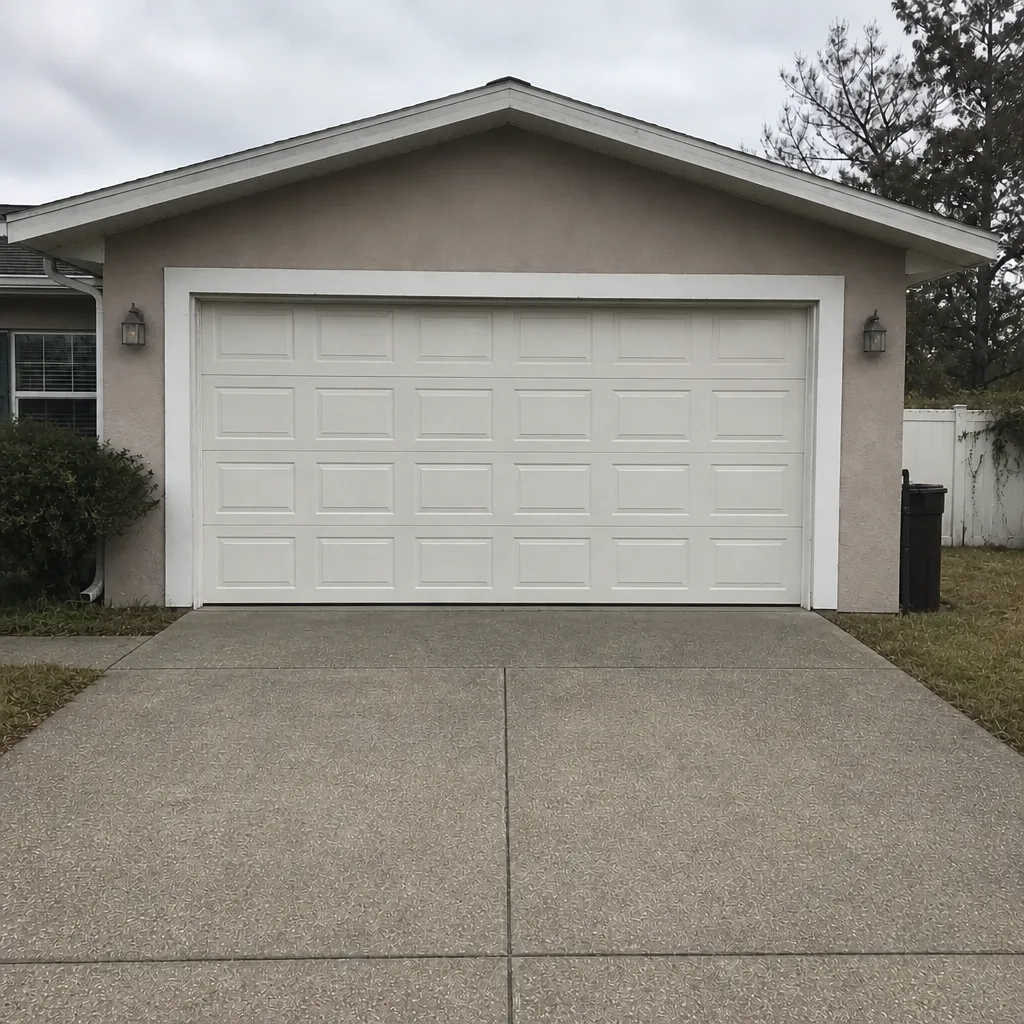 After
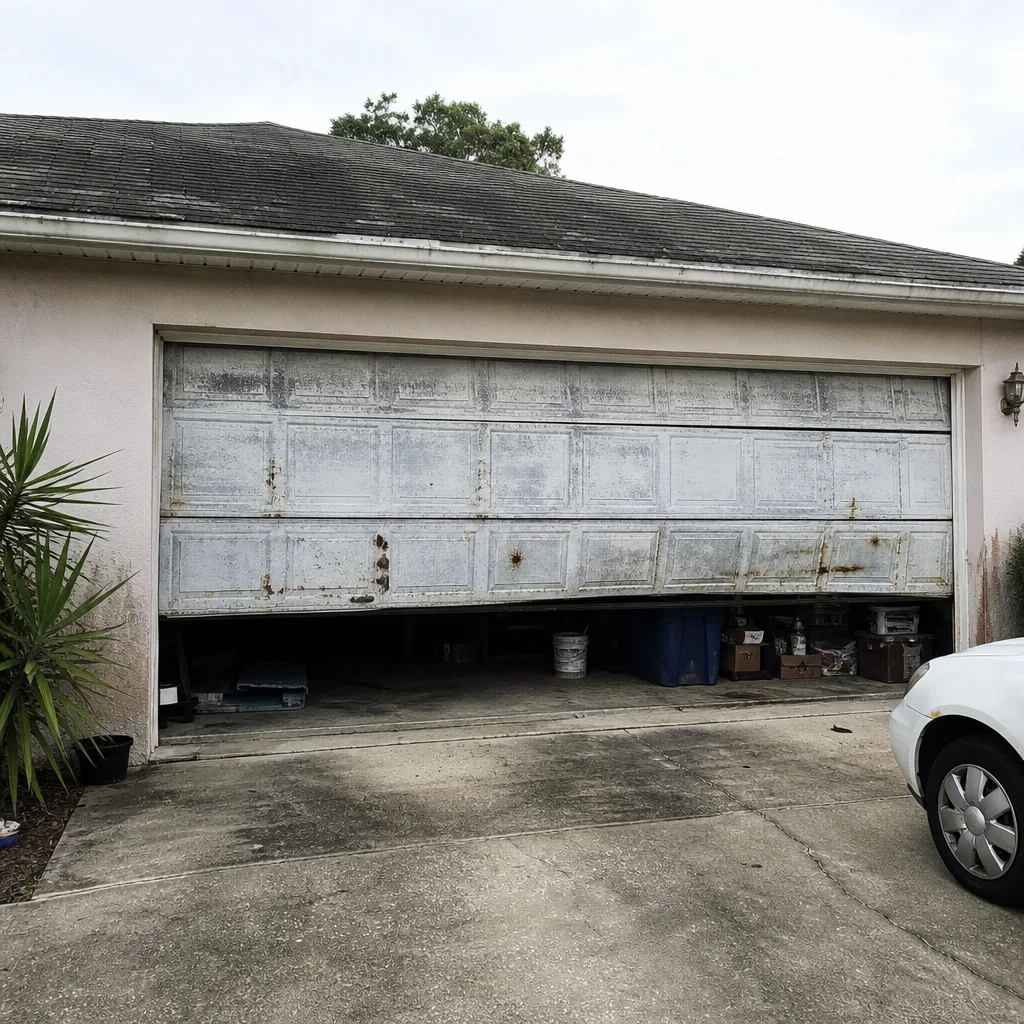 Before
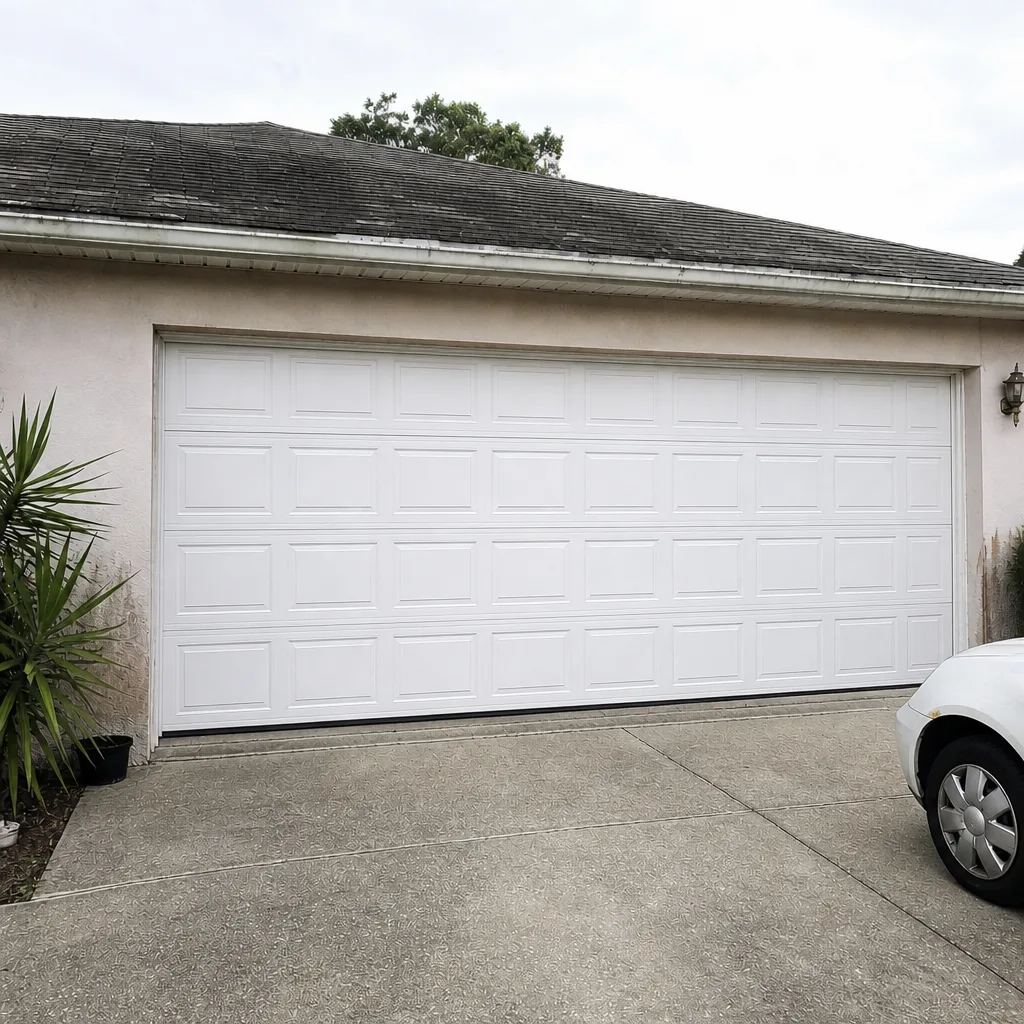 After
When to Call a Professional
A garage door is a rated component with springs and cables under high tension. If the door won’t operate, the spring has snapped, or the panel is damaged, stop and call a trained technician; the tension in those components can cause serious injury. If you’re replacing or installing a door, the permit, product approval, inspection, and installation method are all tied together, and this is where a licensed installer who handles Florida code does the heavy lifting. We recommend not attempting to correct a failed inspection or alter wind-rated hardware yourself. For a repair, we can diagnose the issue and confirm the permit question in the same visit. Unity Garage Door Repair offers free estimates in Palm Bay, and our team works with all the major brands, including Clopay, Amarr, and Wayne Dalton. Call (866) 901-6506. We answer 24/7. Fast dispatch from 7am to 7pm, Sunday through Friday.
Frequently Asked Questions
Yes. A new or replacement garage door in Palm Bay typically requires a Brevard County permit because the door must meet Florida wind-borne debris and product-approval requirements. A standard repair, such as a like-for-like spring or opener replacement, generally does not. Call (866) 901-6506 for a free estimate and we’ll tell you which category your job falls into.
No. Replacing a torsion or extension spring, cable, roller, or opener motor with a matching part doesn’t change the door’s wind-rated envelope, so it’s a repair rather than a permitted replacement. Confirm the scope with the installer before work begins. Call (866) 901-6506 for a free estimate.
A Florida Product Approval number (FL#) is the code evaluation proving a door system performs to the wind standard for your zone. Without a valid FL# matched to your Palm Bay address and installation method, the door can’t be permitted on a replacement. Check the number before purchase. Call (866) 901-6506 for a free estimate.
Palm Bay sits within Florida’s wind-borne debris region, which covers most of Brevard County. The specific wind speed and exposure for your address come from the Brevard County building department or the Florida Building Code wind maps. Confirm before ordering a replacement door. Call (866) 901-6506 for a free estimate.
The buyer’s inspection will likely flag the missing permit record, and Florida seller disclosure requires known unpermitted improvements to be disclosed. The usual outcome is retroactive permitting and inspection, or replacement if the installed door doesn’t match an approved product. Call (866) 901-6506 for a free estimate on correction or replacement.
Make sure the installed door matches the product approval listed on the permit, the anchors and brackets match the approved method, and the approval documentation is on hand. Your installer should provide the documentation. Call (866) 901-6506 for a free estimate and installation guidance.
If you’re comparing door installation quotes in Palm Bay, make sure each quote names the exact model and its Florida Product Approval number, not just a description. That one line tells you whether the job can be permitted and passed on the first visit. A written price and the approval documentation should arrive together.
The Bottom Line
In Palm Bay, a garage door replacement is a permit job tied to Florida’s wind-borne debris requirements, a valid product approval, and an inspection. A repair usually isn’t. The line is specific, and crossing it without the paperwork costs more to fix later, at the building department and at resale. Confirm the scope before you buy. Verify the FL# before you install. Keep the permit and inspection records. If you want the door handled correctly from the first call, one team can cover the repair assessment, the approved product, the installation, and the documentation that goes with it.
If you’re ready for a free estimate, call (866) 901-6506. We answer 24/7. Fast dispatch from 7am to 7pm, Sunday through Friday.
Written by the team at Unity Garage Door Repair.